Boost Your Brand: Top 10 Billboard Spots Near IT Parks in India
March 27, 2026
Introduction
Billboard advertising remains one of the most powerful forms of outdoor marketing, but understanding why billboard advertising campaigns fail is critical for brands aiming to maximize impact. Despite reaching millions of people during daily commutes, many campaigns fall short due to common billboard advertising mistakes such as poor placement, weak messaging, and lack of audience targeting.
Studies show that while a majority of consumers notice outdoor ads, only well-executed campaigns achieve strong recall and engagement. This highlights the importance of avoiding key billboard campaign strategy mistakes and focusing on clarity, visibility, and audience relevance.
By identifying the core reasons behind outdoor advertising campaign failures, brands can refine their approach, improve campaign performance, and ensure their billboards deliver measurable results. In this blog, we explore the most critical mistakes brands make and how to avoid them for more effective outdoor advertising.
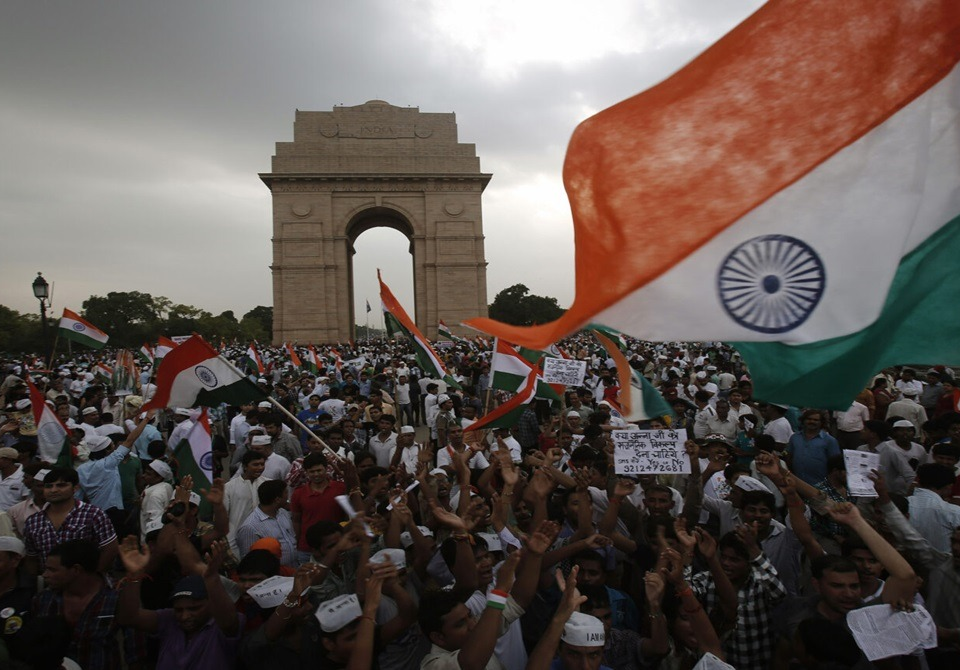
1. Poor Location Selection
Choosing the right location is one of the most important factors for a successful billboard campaign. Research shows that billboards in high-traffic areas like commuter corridors, entry roads and busy junctions can reach up to 100,000 people per day, generating millions of impressions weekly. When placements align with target audience movement and daily activity zones, they naturally capture more attention and drive better brand recall.
Strategic campaign planning ensures that billboards don’t just get seen,they get remembered. Studies indicate that 90% of consumers recall at least one billboard they’ve seen in the past month, proving that consistent exposure in the right locations boosts marketing visibility and engagement. By focusing on audience-centric routes rather than random spots, brands can maximize impact and make every outdoor ad count.
2. Unclear or Overloaded Messaging
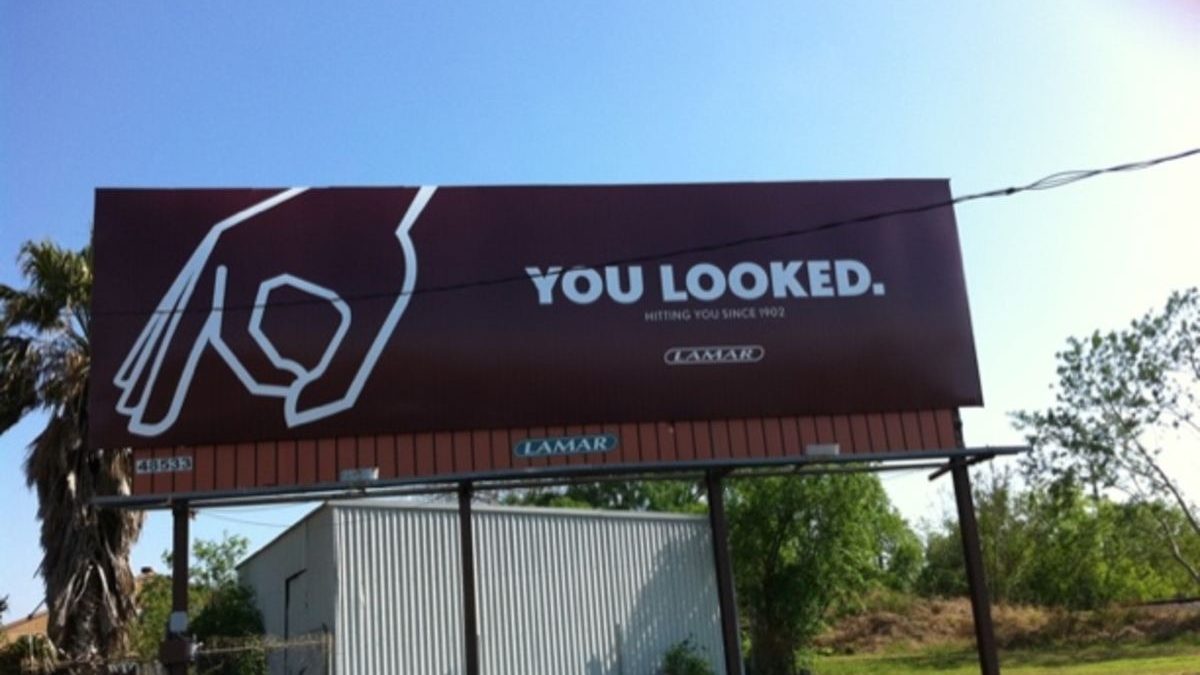
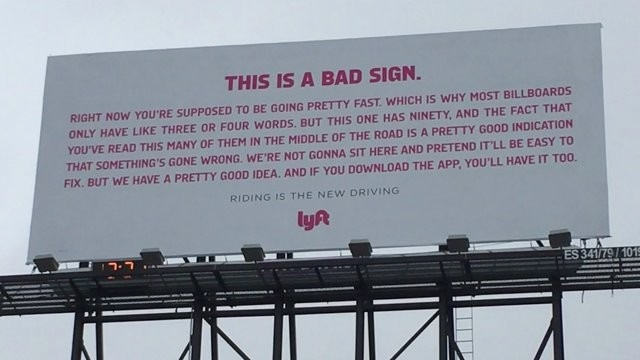
Billboards are usually viewed for only a few seconds. When messages include too much text or multiple ideas, audiences find it difficult to understand and communicate quickly.
Simple, focused messaging works best. A clear headline, minimal copy and one strong visual idea help avoid confusion and improve recall. Overloaded messaging remains a key reason some billboard campaigns struggle to connect.
3. Weak Visual Design
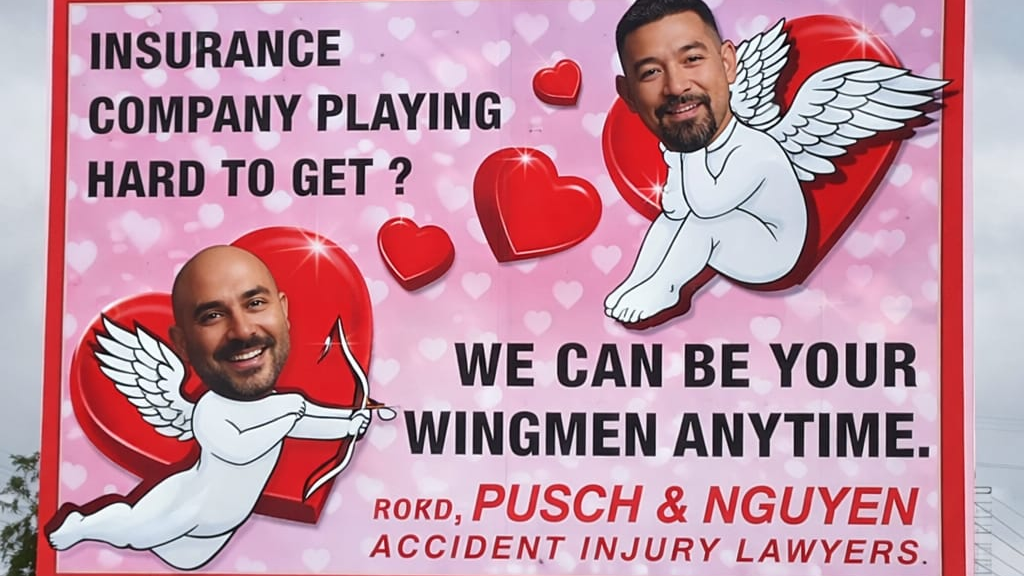
Visual design is key to billboard success. Research shows readability drops by up to 50% when text is small, contrast is low or layouts are cluttered. Clear visual hierarchy ensures the brand name and message are instantly understood, boosting brand recall.
Poor design often undermines even well-placed billboards. Studies find that well-designed visuals increase engagement by over 70%, proving that strong campaign planning and thoughtful offline advertising formats make outdoor ads memorable and effective.
4. Lack of Audience Targeting
Choosing billboard locations based on audience demographics, lifestyle and daily routines is key to campaign effectiveness. Research shows that when placements match audience movement, billboards are up to 60% more likely to be noticed, making messages feel timely, contextual and relevant.
For instance, brands targeting working professionals see higher brand recall when billboards are near office zones rather than residential streets. Misaligned placement is a major reason many campaigns fail, highlighting the importance of strategic campaign planning and audience-focused offline advertising formats.
5. Inadequate Campaign Duration
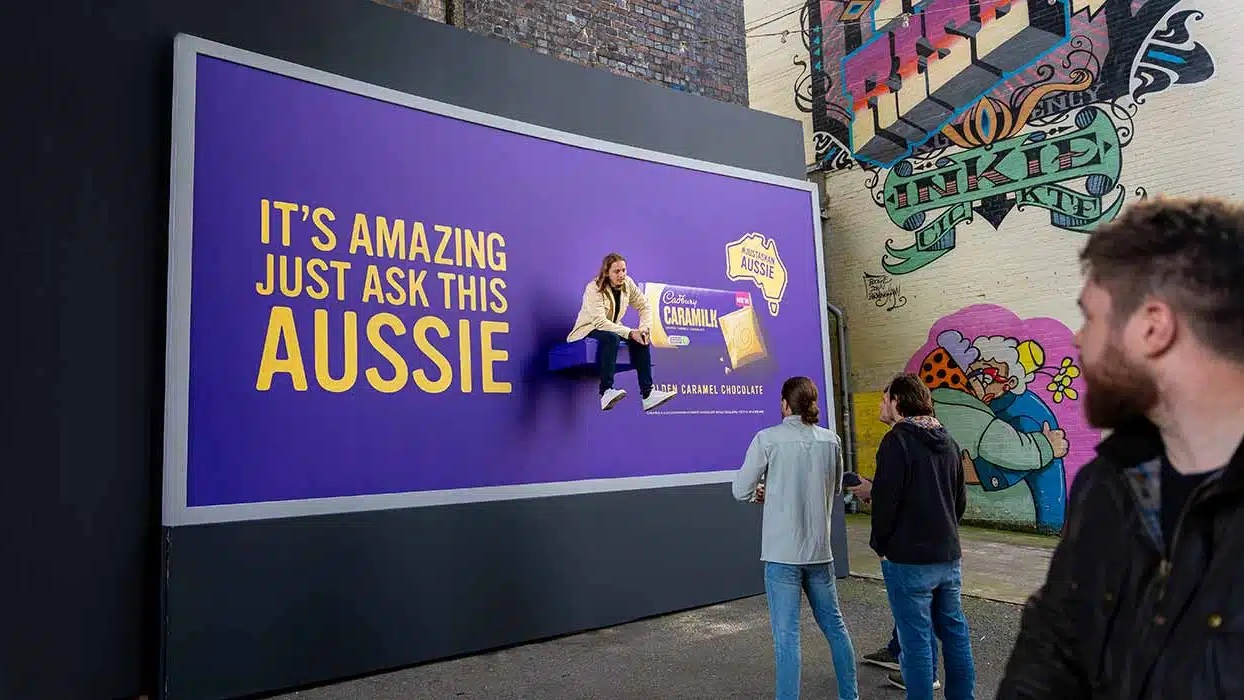
Billboards rely on repetition to build awareness and recall. Short campaign durations do not provide enough exposure for messages to register with audiences.
Adequate display duration allows the billboard to be familiar over time. Insufficient campaign length is often a factor behind why some billboard campaigns fail to achieve their visibility goals.
6. Poor Timing of the Campaign
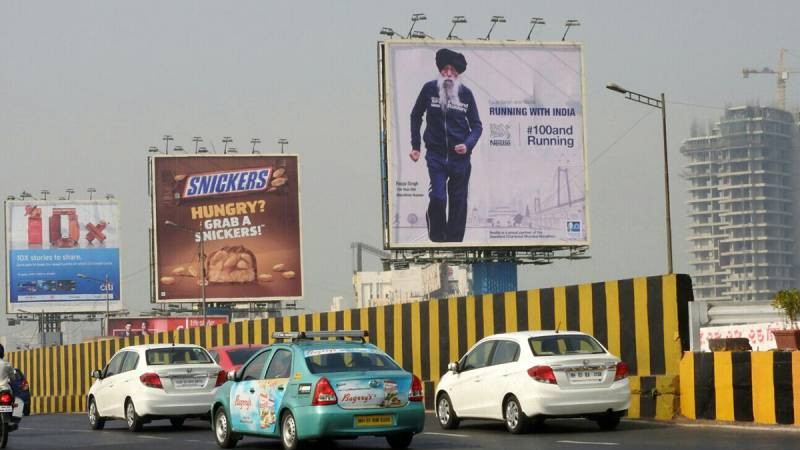
Timing has a direct influence on campaign effectiveness. Launching billboard campaigns during periods of low footfall, off season demand or misaligned business cycles reduces visibility.
Aligning campaigns with peak movement periods, festive seasons, or key business timelines improves results. When timing does not match audience behaviour, some billboard campaigns underperform.

7. No Integration With Other Marketing Channels
Billboards are most effective when combined with digital, social or on-ground marketing efforts. Studies show that integrated campaigns can increase consumer engagement by up to 80%, reinforcing messages across multiple touchpoints and boosting brand recall.
Standalone billboards can raise awareness but often struggle to drive action. Research indicates that campaigns without integration are less likely to influence purchase decisions, showing that strategic campaign planning and cohesive offline advertising formats are essential for maximizing impact.
8. Limited Monitoring and Execution Control
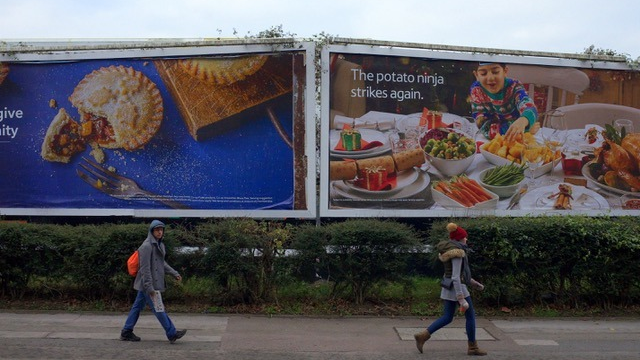
Once a billboard campaign is live, regular monitoring is crucial to maintain consistent visibility. Studies show that up to 30% of outdoor ads lose effectiveness due to issues like poor lighting, obstructions or maintenance delays, which reduce marketing visibility and weaken brand recall.
Ongoing checks ensure quality throughout the campaign period, preventing execution gaps from undermining even the best-laid plans. Research highlights that campaigns with active monitoring achieve 20–40% higher engagement, proving that strong campaign planning must be paired with diligent execution to deliver real impact.

How Brands Can Avoid These Billboard Challenges
Improving billboard performance begins with clear campaign planning. Research shows that campaigns with simple, visually strong creatives in audience-relevant locations see up to 70% higher brand recall. Allowing sufficient duration for repeated exposure helps messages stick, turning brief glimpses into lasting awareness.
Supporting billboards with digital or on-ground marketing efforts further boosts engagement and impact. Understanding why some campaigns fail, whether due to placement, design or execution gaps which enables brands to refine strategies, make informed decisions and maximize marketing visibility in future outdoor advertising efforts.
Benefits of Identifying Billboard Performance Gaps
- Better location and media selection
- Clearer messaging and stronger recall
- Improved budget utilisation
- More consistent campaign performance
- Smarter long term outdoor advertising decisions
Billboard advertising remains one of the most effective ways to build brand visibility and recall in outdoor environments. Studies show that well-planned billboards can reach over 80% of urban adults weekly, yet many campaigns underperform not because of the medium, but due to gaps in campaign planning, placement or audience alignment.
By understanding why some billboard campaigns fail, brands can approach outdoor advertising with more clarity and confidence. Thoughtful planning, strategic ad placement and consistent execution ensure that billboard campaigns generate measurable impact and improve marketing visibility over time.
Frequently Asked Questions (FAQ’s)
1. Why do billboard advertising campaigns fail?
Billboard campaigns fail mainly due to poor location selection, unclear messaging, weak design, and lack of audience targeting, which reduce visibility and recall.
2. What are the most common mistakes in billboard advertising?
Common mistakes include overcrowded messaging, low-visibility design, short campaign duration, poor placement, and lack of integration with other marketing channels.
3. How can brands improve billboard campaign performance?
Brands can improve performance by choosing high-traffic locations, using clear and simple messaging, ensuring strong visual design, and aligning campaigns with audience behavior.
4. Why is location important in billboard advertising?
Location directly impacts visibility and audience reach. Billboards placed in high-traffic, relevant areas generate more impressions and stronger brand recall.
5. How does messaging impact billboard advertising success?
Simple and clear messaging improves quick understanding, while cluttered or complex content reduces engagement and makes campaigns less effective.
Why Choose Ginger Media Group for Affordable Offline Marketing
Ginger Media helps startups execute affordable offline marketing campaigns with clarity, transparency, and measurable impact. With strong expertise across outdoor, transit, print, and on ground activations, Ginger Media focuses on cost effective solutions that deliver real visibility without unnecessary spending. From planning and execution to monitoring and reporting, the team ensures startups get the best value from every offline campaign. By combining strategic media selection with on ground execution strength, Ginger Media enables brands to scale offline marketing efficiently and confidently.