Corporate Hubs in India: 10 Prime Advertising Locations to Boost Your Brand
April 29, 2026
Meme Marketing in India 2026: How Serious Brands Are Doing It Right
May 4, 2026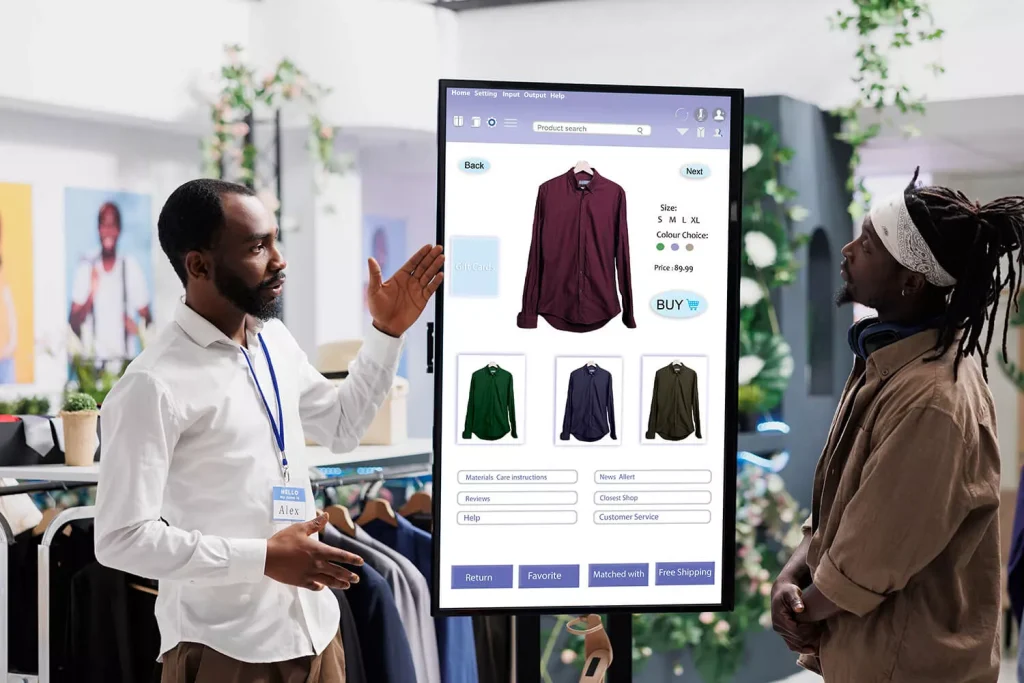
In 2026, phygital marketing trends in India are transforming the way brands connect with consumers by merging offline experiences with digital interactivity. For example, over 60% of urban Indian shoppers in recent campaigns engaged with hoardings and in store displays that incorporated QR codes or AR features. These innovations turn traditional advertisements into interactive experiences, making physical campaigns more memorable and measurable. As a result, brands create real world engagement that resonates long after the first impression.
Retailers and lifestyle brands in India are increasingly integrating tools such as AR enabled posters, QR code interactions, and live event displays to enhance offline campaigns. Such initiatives allow consumers to interact with brands directly from the physical environment, creating a seamless bridge between offline presence and digital activity. With these strategies, phygital marketing is no longer experimental; it’s a proven method to elevate customer experience in India.
What Is Phygital Marketing and Why It Matters in India
At its core, phygital marketing combines physical elements (like billboards, storefronts, events) with digital tools (like QR codes, AR, apps) to create immersive, interactive, and measurable experiences. It’s about being digitally aware and about enhancing the customer journey by breaking down the barrier between physical presence and digital interaction.
In a country like India, where smartphone usage is widespread and consumers enjoy both in‑store experiences and digital convenience, phygital bridges the gap. It gives people the best of both worlds: the hands on experience of offline marketing with the speed, personalization, and analytics of digital tools. This approach makes advertising more relevant, more engaging, and ultimately more effective.
How Phygital Marketing Works: Blending Offline and Online
Phygital marketing works by creating touchpoints, moments where physical and digital overlap seamlessly:
1. QR Codes Transforming Hoardings and Signage
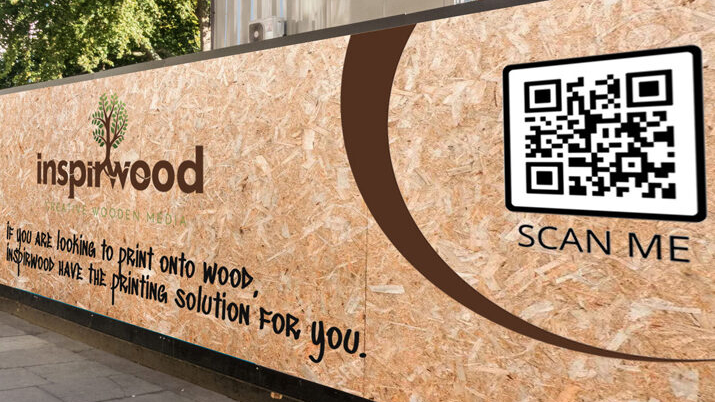
One of the simplest yet most powerful phygital tools is the QR code. Printed on hoardings, posters, packaging, or flyers, a QR code acts as a bridge, allowing a viewer to instantly connect their physical environment to online content.
For example, a billboard for a new sneaker release might include a QR code that, when scanned, opens an AR filter where users virtually try the sneakers on, watch a behind‑the‑scenes video, or even receive an exclusive discount link. This use of QR codes turns a static advertisement into a dynamic interaction that engages users directly.
QR codes are particularly effective as they are:
- Instant users don’t have to type anything.
- Trackable brands measure scans, locations, and conversions.
- Flexible, they connect to videos, product pages, social feeds or apps.
2. Augmented Reality (AR) Makes Interaction Fun and Immersive
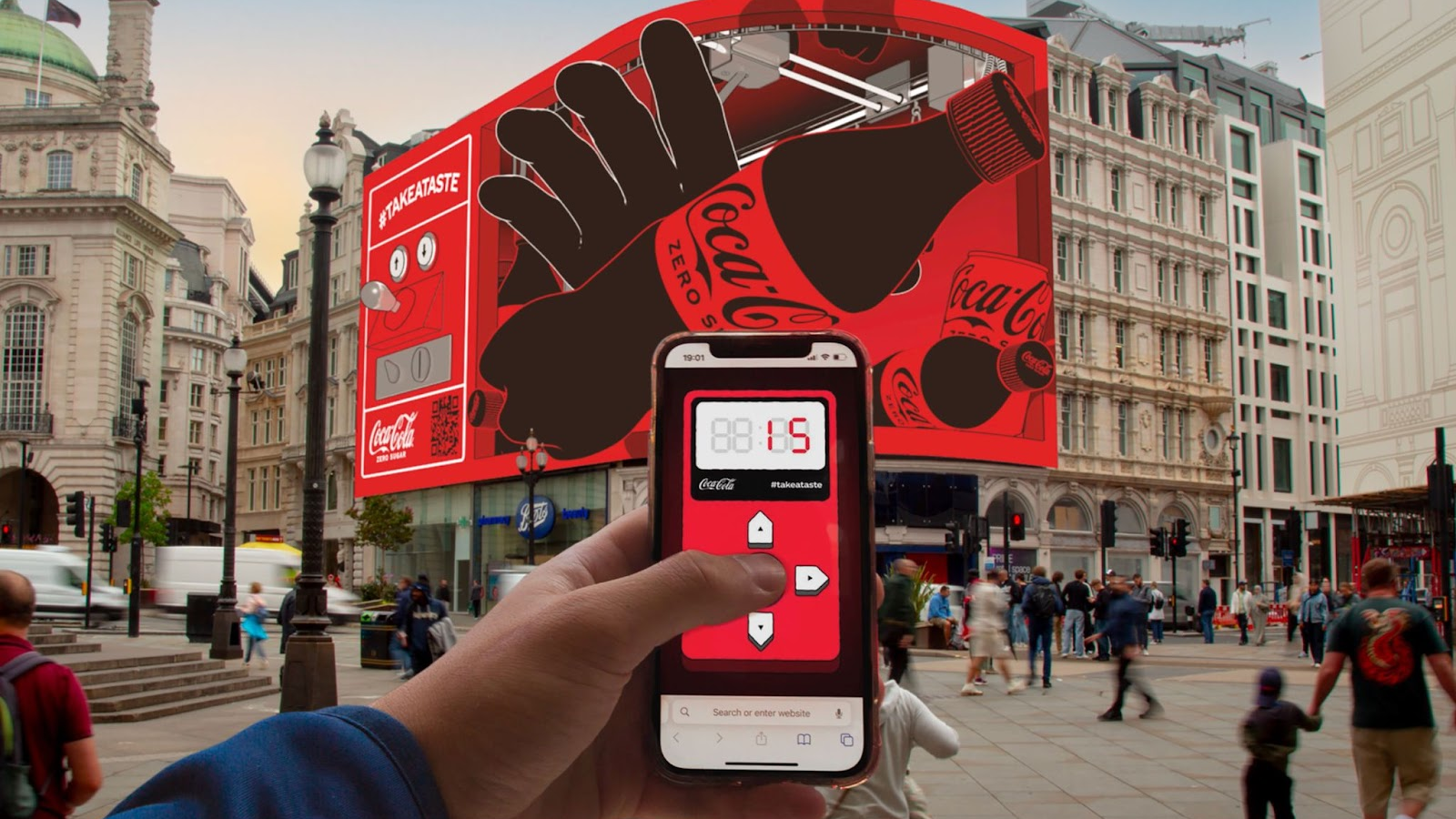
Augmented Reality (AR) takes phygital experiences even further by layering digital content over the real world. With AR, a physical campaign tells a story and lets people participate.
Consider this: a poster at a mall could let a passerby scan a code and see a 3D version of a product pop up on their phone screen. They might virtually try on sunglasses, explore the interior of a car, or watch an animation that explains how a product works. These experiences feel personal and memorable as they respond to real‑world movement and context.
AR is fun and encourages people to share these interactions on social media, extending the reach of your campaign organically. Brands that master AR phygital experiences invite users to play, explore, discover, and observe.
3. Live Social Media Feeds and Event Integration
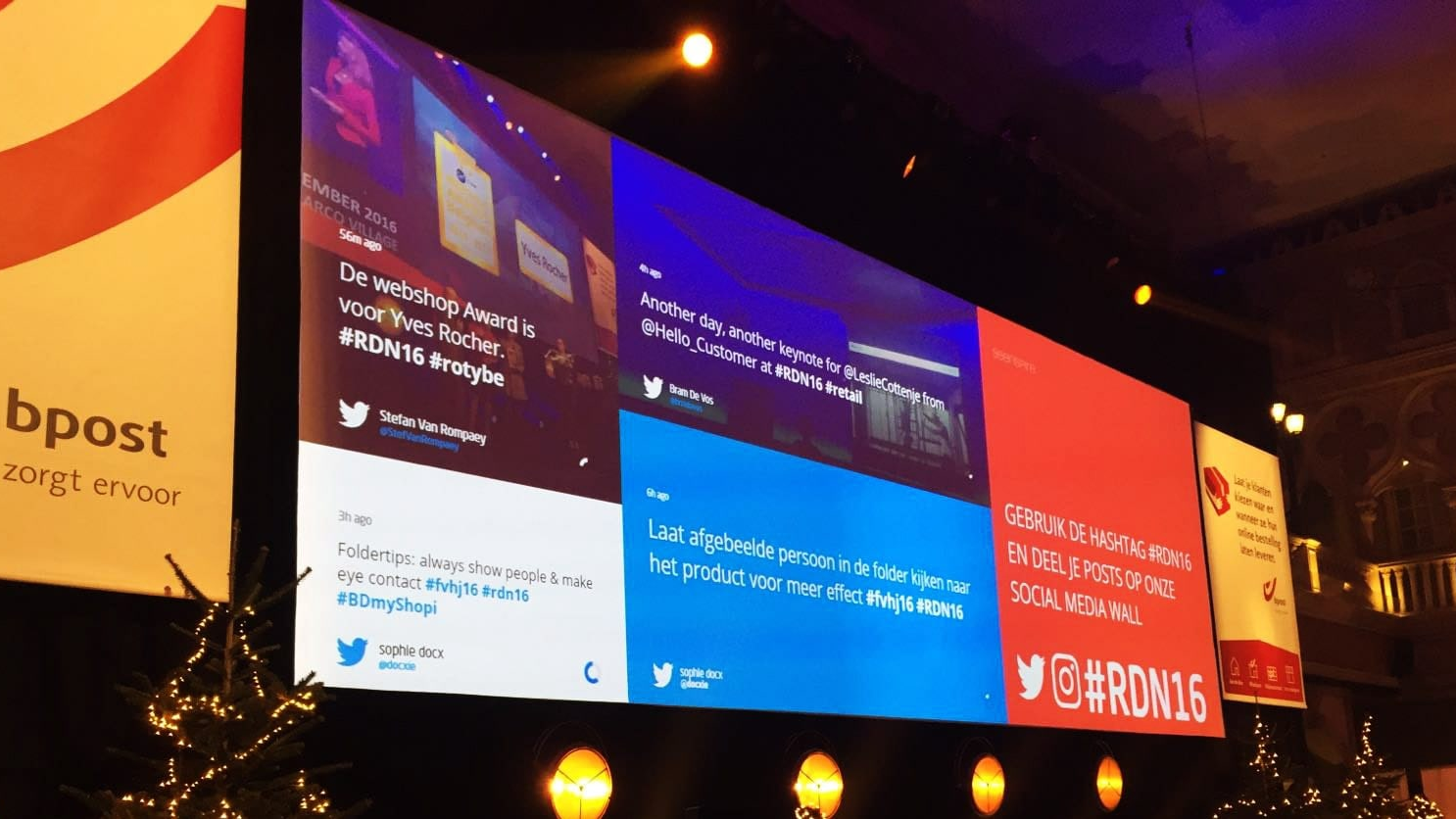
Another emerging phygital strategy is incorporating live social feeds into the physical environment. At events or in stores, screens display real‑time posts tagged with a campaign hashtag, user‑generated content, or interactive polls.
This approach bridges the gap between onsite participation and online community engagement. People are encouraged to interact both physically and digitally. It creates a living campaign that feels alive, dynamic, and part of a wider conversation with your audience.
Why Phygital Marketing Is Gaining Momentum in India
1. Seamless Customer Experience
Consumers today think in experiences. They walk past a hoarding, browse a store, or scroll on their phone; they expect an experience that feels consistent, interactive, and delightful. Phygital blurs the lines between these spaces, letting a customer move naturally from offline to online without friction.
2. Measurable Engagement
In Traditional offline ads, you can’t always tell how many people noticed a hoarding or how many bought a product. Phygital tools like QR scans and AR interactions are tracked and analyzed, giving brands clear data on performance and ROI.
3. Personalization and Interaction
Phygital approaches let brands tailor experiences. For example, a QR‑linked experience could show personalized content based on user location, time of day, or past behavior, bridging real‑world presence with digital customization in real time.
Common Phygital Marketing Tools in India
Here are some technologies and formats that are shaping phygital marketing today:
- QR Codes: Quick access points from physical ads to digital experiences.
- Augmented Reality (AR): Immersive experiences triggered by real‑world elements.
- Live Social Feeds: Real‑time social interaction displayed in offline environments.
- Interactive Kiosks: In‑store screens that connect to digital content without needing a smartphone.
- Geofencing & Mobile Alerts: Location‑based prompts sent to users near offline touchpoints.
Examples of Phygital in Action
In India, brands experiment with creative ways to merge physical and digital. Here are some real‑world inspirations that illustrate what’s possible:
- A fashion brand places QR codes on store windows that let shoppers view AR lookbooks on their phones, blending window‑shopping with digital discovery experiences.
- A beverage company uses posters with embedded QR codes that unlock interactive filters, quizzes, or reward content when scanned at events or public spaces.
- Retail pop‑ups integrate live social media displays where visitors’ tagged photos and comments appear in real time, encouraging more engagement and shareable social content.
These examples show that phygital is tech and a mindset: create experiences that feel both tangible and interactive.
Frequently Asked Questions (FAQs)
1. What does phygital marketing mean?
Phygital marketing refers to blending physical and digital elements to create interactive customer experiences. It uses tools like QR codes, AR, and live feeds to make physical campaigns digitally engaging.
2. How do QR codes help phygital campaigns?
QR codes act as bridges between offline and digital. A simple scan takes a user from a physical poster to a digital experience, like product videos, AR filters, or special offers.
3. Are phygital campaigns measurable?
Yes, unlike traditional offline ads, phygital interactions (like QR scans and digital content engagement) are tracked, providing valuable data on how audiences interact with campaigns.
4. Do small businesses use phygital marketing?
Absolutely. Even simple implementations like QR codes linking to online catalogues or promo pages turn offline materials into digital touchpoints, making phygital accessible to small brands too.
5. Does phygital require advanced technology?
Not always. While AR and live feeds are more advanced, basic phygital experiences start with QR codes or interactive events that connect physical presence to digital content.
6. Why is phygital marketing effective in India?
India’s high smartphone penetration and widespread use of scanning tools make it easy for consumers to interact with phygital touchpoints, creating engagement that feels natural, fast, and rewarding.
Why Choose Ginger Media Group for Affordable Offline Marketing
Ginger Media helps startups execute affordable offline marketing campaigns with clarity, transparency, and measurable impact. With strong expertise across outdoor, transit, print, and on ground activations, Ginger Media focuses on cost effective solutions that deliver real visibility without unnecessary spending. From planning and execution to monitoring and reporting, the team ensures startups get the best value from every offline campaign. By combining strategic media selection with on ground execution strength, Ginger Media enables brands to scale offline marketing efficiently and confidently.