Top 10 DOOH Advertising Formats in India
March 4, 2026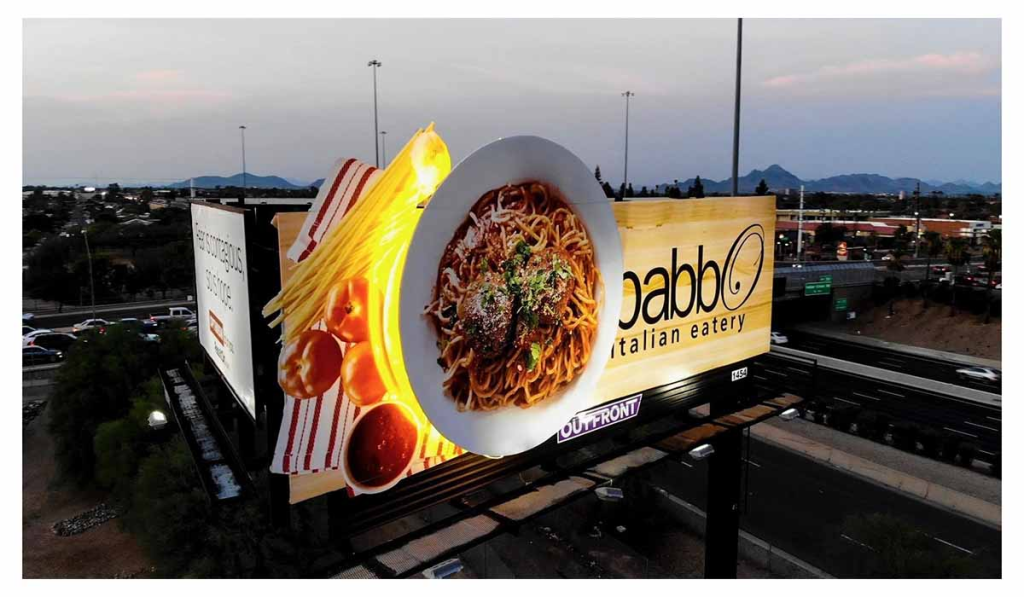
Introduction
Restaurants and QSRs operate in competitive, fast-moving markets where decisions are impulsive and visibility matters. Nearly 78% of QSR customers say marketing influences their order decisions and 70% of diners are more likely to visit a restaurant with a strong social media presence showing how strategic media shapes choice. Effective advertising strategies, backed by media planning for restaurants and QSR brands, use a mix of location-based and outdoor advertising to boost visibility.
By integrating digital, offline and omnichannel advertising, brands strengthen recall and drive footfall. These approaches help shape food choices, build strong media touchpoints and support growth.
What Is 8 Best Advertising Media for Restaurants & QSRs
Advertising media are the channels through which restaurants reach potential customers. For food brands, timing and repetition are critical making the right exposure at the right moment essential to influence spontaneous choices. Effective formats focus on three outcomes: visibility near the outlet, recall during hunger moments and reinforcement across touchpoints. Backed by strong media planning for QSR brands and point of sale advertising for QSRs, the following 8 quick service restaurant marketing channels deliver consistent recall and sustainable growth:
1. Outdoor Hoardings Near Catchment Areas
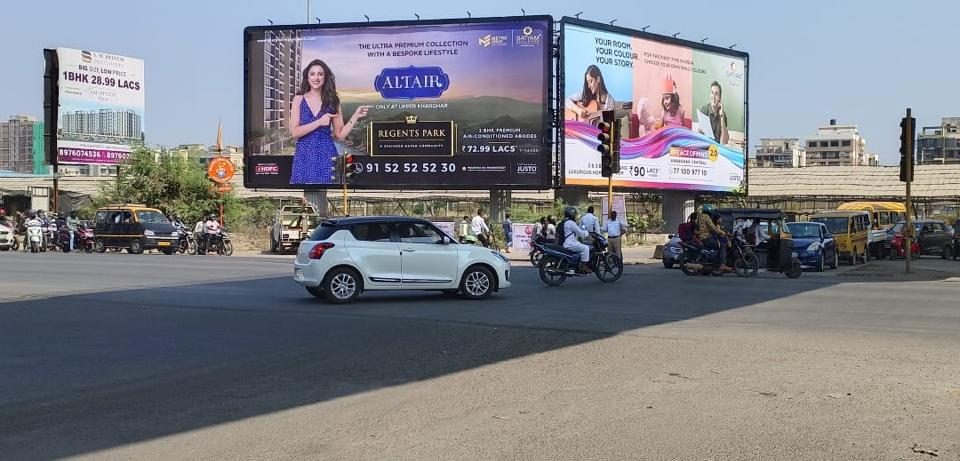
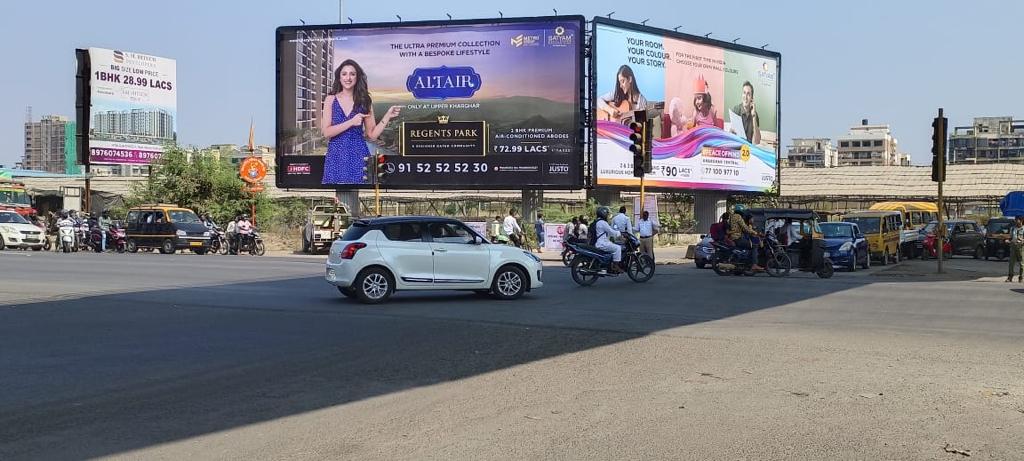
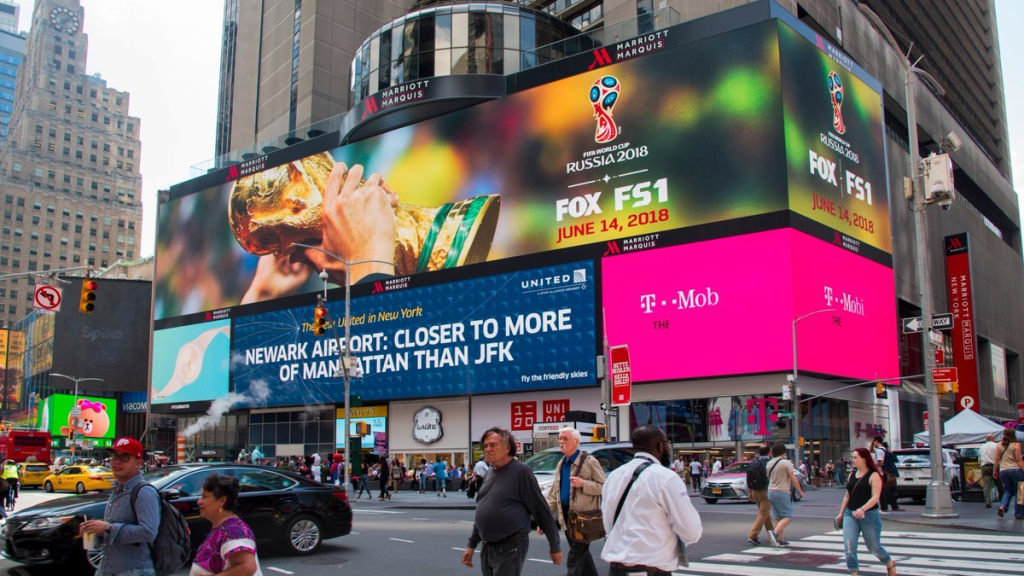
Hoardings placed near residential clusters, office zones, or high traffic junctions are a strong advertising medium for restaurants.
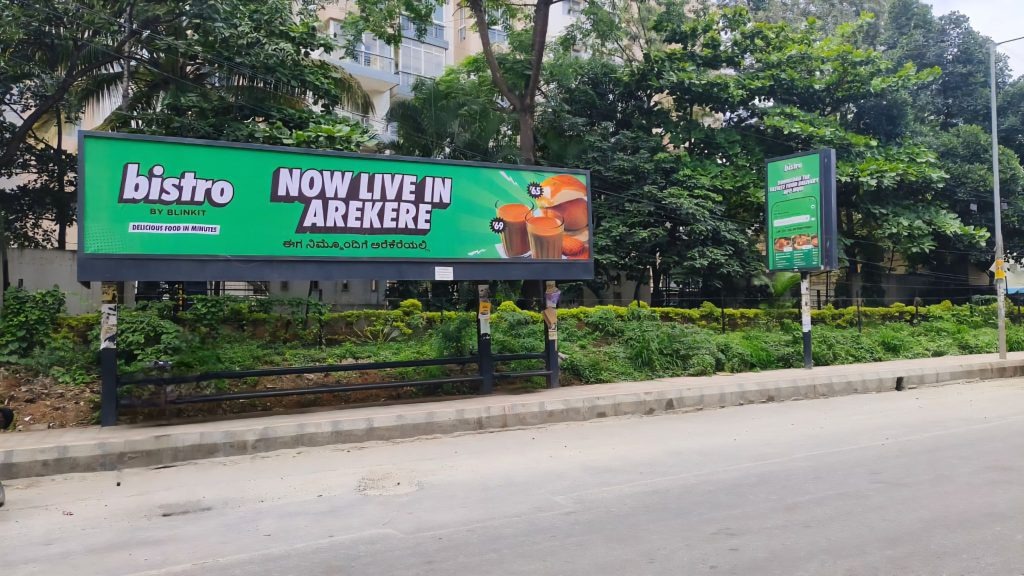
They are most effective when situated within a short walk or drive from the outlet. Frequent exposure enhances brand recall, keeping the brand top of mind during dining choices.
Local advertising boards help QSRs create buzz and establish a strong presence in new areas.
2. Transit Advertising Around Commute Routes
Transit advertising leverages high-traffic areas like metro stations, bus routes and key junctions. With over 60% of urban commuters passing these spots daily, even brief glances add up and repeated exposure boosts brand recall by up to 70%.
For restaurants and QSRs, transit ads create consistent visibility, keeping the brand top of mind during meal decisions.
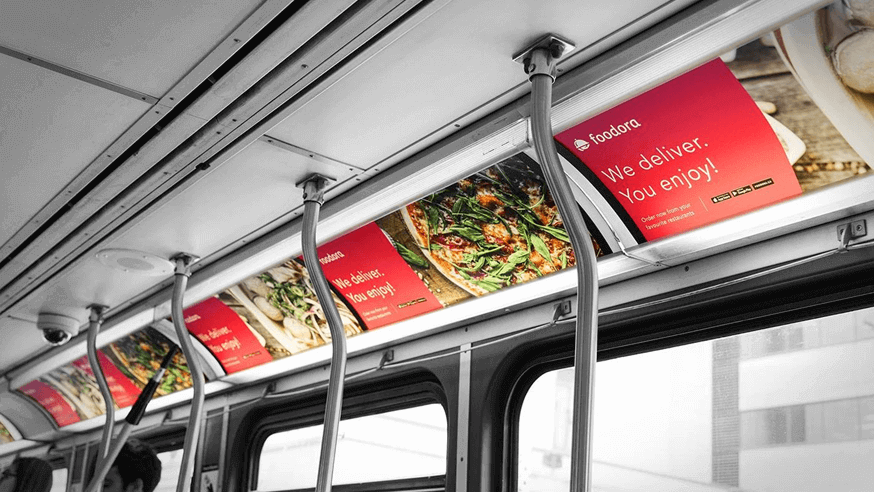
QSRs targeting office goers and students benefit significantly from this medium.
3. Food Delivery App Visibility & In App Media
Food delivery platforms are a key discovery and conversion channel for restaurants and QSRs. With in-app banners, sponsored listings, and featured placements, these platforms influence users actively searching for meals. Sponsored listings can boost visibility by over 50%, while restaurants using ads often see order increases of 30% within a month.
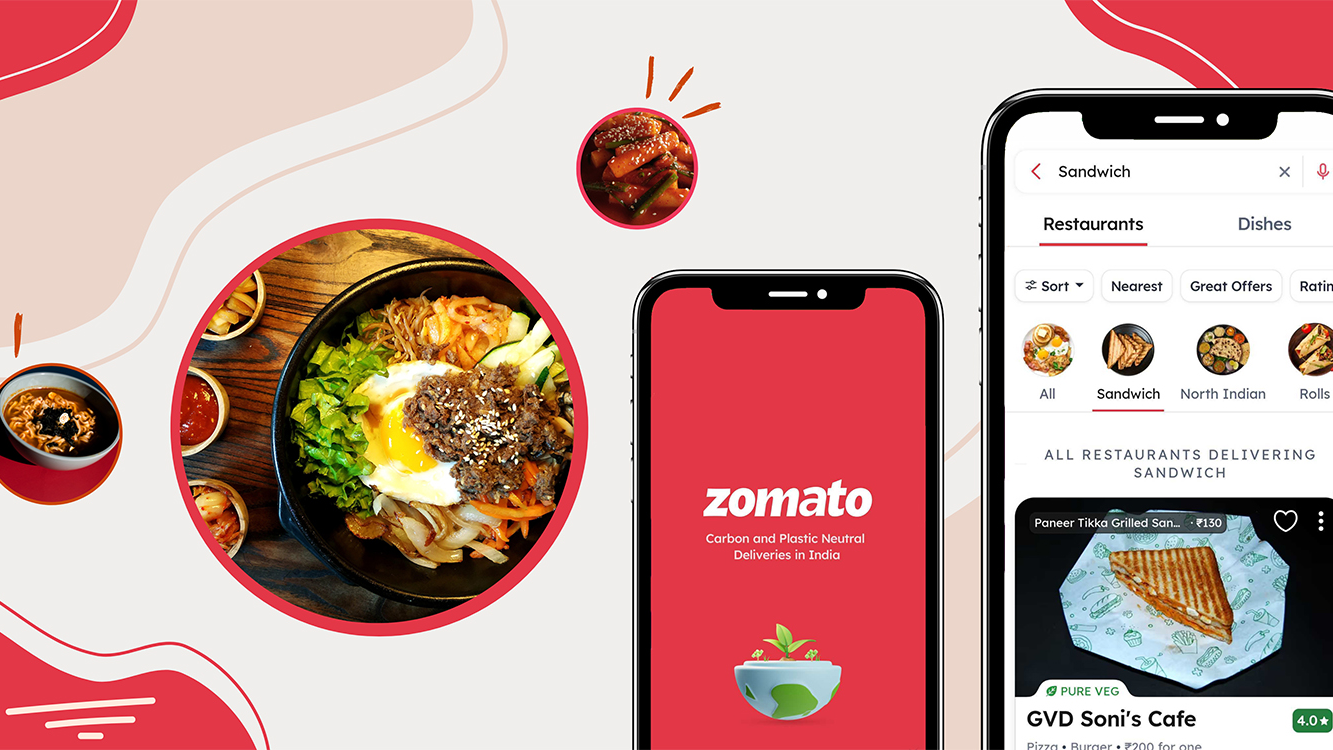
It is supported by offline visibility, ensuring Brand recognition when seen on the app.
4. Micro Influencers & Hyperlocal Content Collaborations
Micro influencers and food reviewers help restaurants reach local audiences effectively. Studies show that 35% of diners make restaurant choices based on online reviews, and 83% of consumers trust recommendations from bloggers and local content creators more than traditional ads, making these voices highly credible.
Restaurants collaborating with micro-influencers often see up to 40% higher local footfall and significantly increased engagement on social media. With 74% of consumers using social media to decide where to eat, authentic content from trusted local voices helps build trust quickly and drives both orders and visits.
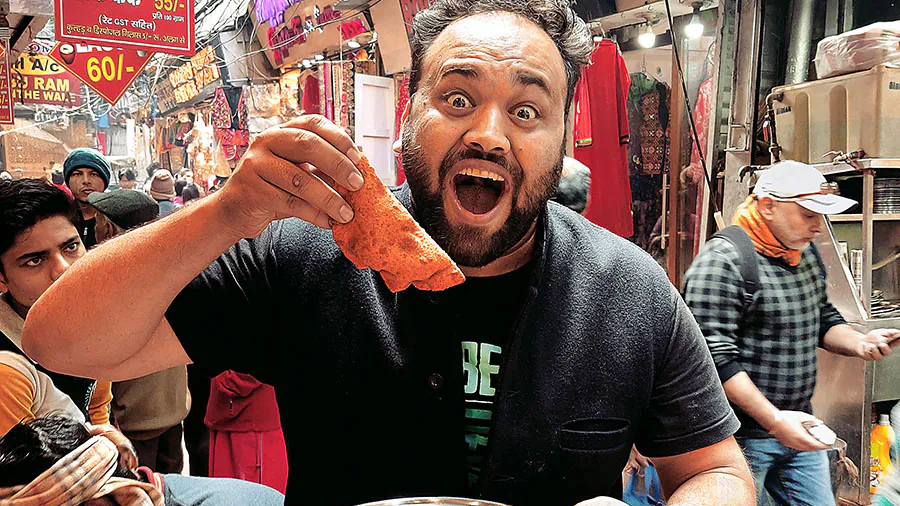
For new or local restaurants, this approach drives awareness and trust in targeted neighbourhoods.
5. In Store and Point of Sale Advertising Media
In-restaurant advertising like standees, menus, table tent and digital screens.
Influences add-ons, combos, and repeat purchases. Around 70% of diners notice in store promotions and menu-based upselling can increase average order value by 15–20%.
These formats work best when customers are ready to order, with digital screens and table tents driving up to 30% higher engagement and boosting immediate sales.
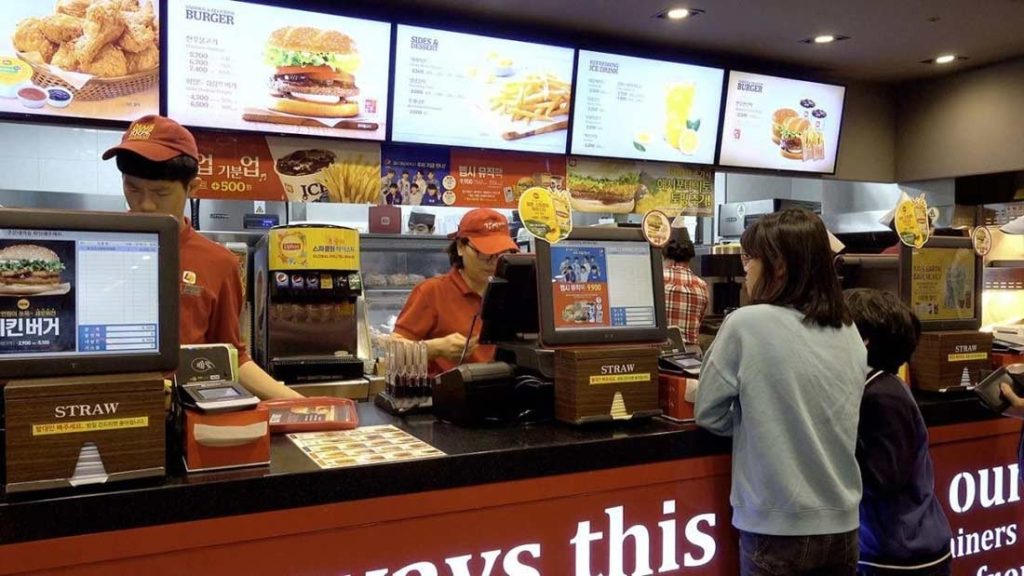
QSRs use in store media to increase average order value without additional customer acquisition costs.
6. Geo Targeted Mobile Advertising
Mobile advertising is highly effective when paired with location targeting. Ads triggered within a defined radius around restaurants can double engagement and conversion rates compared to generic campaigns. Studies show location-based ads drive 80% more store visits, and consumers exposed to nearby ads are 30% more likely to visit the outlet.
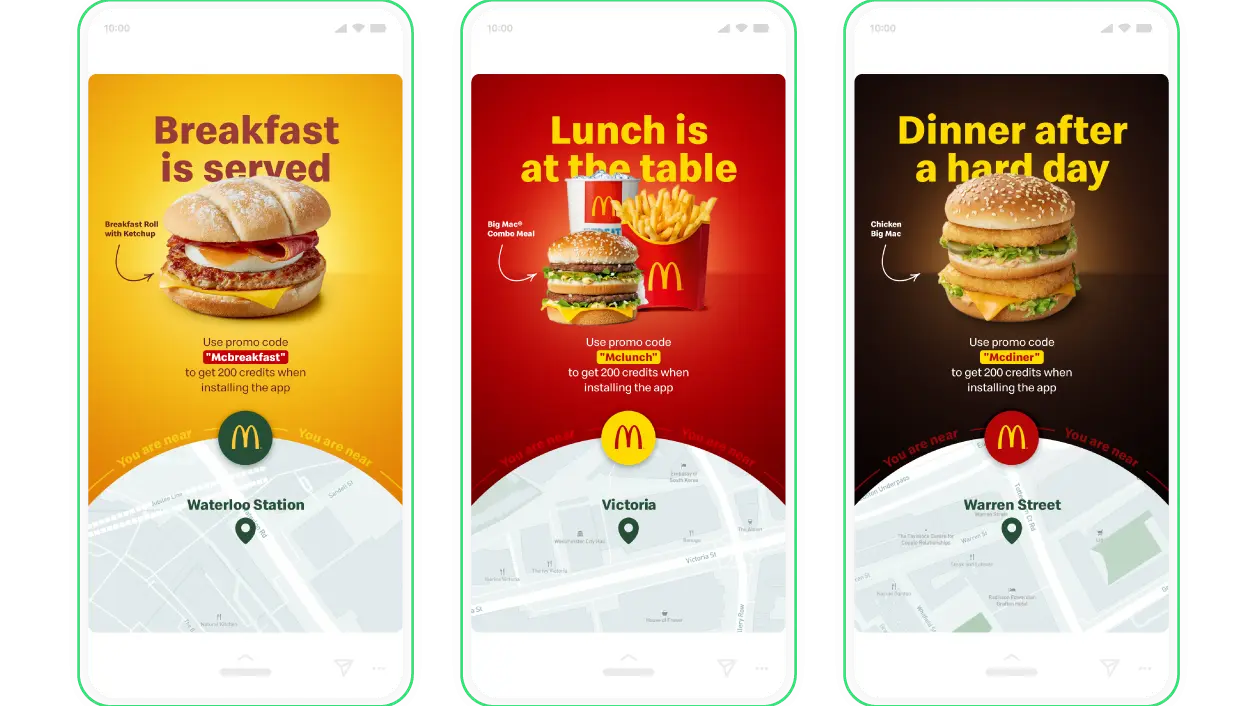
Restaurants using geo targeted media have walk-ins when campaigns are aligned with lunch, evening, or late night hours.
7. Cinema & Mall Advertising Media
Malls and cinema complexes draw audiences already ready to eat or socialize. Placing ads in food courts, mall corridors and cinema lobbies captures attention at the perfect moment, reaching consumers in a receptive mindset. This strategic exposure not only builds brand recall but also drives footfall directly, making these high-traffic locations ideal for restaurants and QSRs looking to turn intent into action.
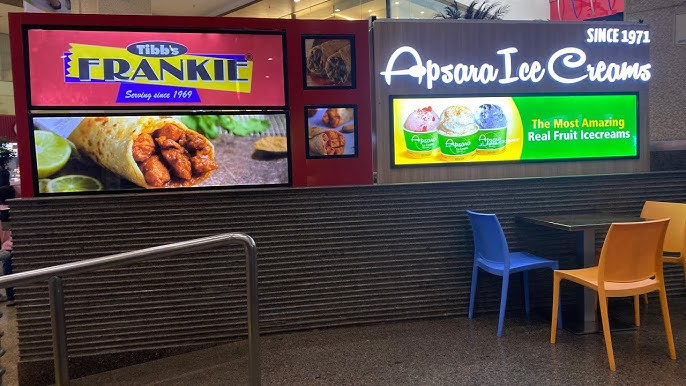
QSRs and casual dining brands use this medium during weekends and festive periods.
8. Local Radio & Audio Advertising
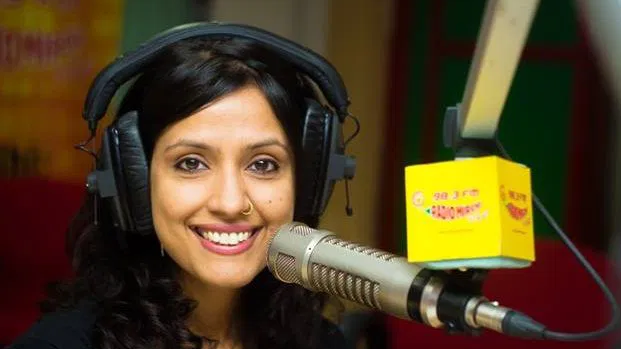
Radio is a relevant advertising medium for restaurants operating at the city or regional levels.
Short, repetitive audio spots recall brand names and locations and are provided during commute hours. Radio works for promotions and limited time deals.
Why Advertising Media Choice is Critical for Restaurants & QSRs
Restaurants and QSRs operate in highly competitive markets with thin margins; every marketing rupee counts. Choosing the wrong advertising channel can waste up to 30% of your spend and deliver low returns, while the right media drives visibility, engagement, and sales.
The most effective channels are contextually relevant, targeting hunger moments, commute routes, and nearby locations. Outdoor media builds awareness, mobile and app ads capture intent, and in store displays increase order value, creating a seamless customer journey that drives footfall and repeat visits.
Frequently Asked Questions (FAQs)
Q1. What is the best advertising medium for restaurants?
Outdoor hoardings, transit advertising, and geo targeted mobile ads are among the most effective channels for driving local footfall.
Q2. How do QSRs increase footfall through advertising?
By combining location-based outdoor media, food delivery app promotions, and in store advertising, QSRs create multiple brand touchpoints.
Q3. Is digital advertising better than outdoor advertising for restaurants?
Both work best together. Outdoor builds awareness while digital captures intent and drives immediate orders.
Choosing the right advertising media is crucial for restaurants and QSRs to boost visibility and drive footfall. In a category fueled by impulse and proximity, the right media can influence decisions within minutes.
For restaurants, success comes from being visible where customers already are. Carefully selected advertising channels help build recall, trust, and encourage repeat visits. Start by understanding customer movement and meal-time behavior. This ensures your brand stays relevant, competitive, and top of mind in a crowded and fast-moving food market.
Why Choose Ginger Media Group for Affordable Marketing
Ginger Media helps startups execute affordable marketing campaigns with clarity, transparency, and measurable impact. With strong expertise across outdoor, transit, print, and on ground activations, Ginger Media focuses on cost effective solutions that deliver real visibility without unnecessary spending. From planning and execution to monitoring and reporting, the team ensures startups get the best value from every offline campaign. By combining strategic media selection with on ground execution strength, Ginger Media enables brands to scale offline marketing efficiently and confidently.