Top 10 Advertising Media Under ₹5 Lakhs for Start-ups (2026 Guide)
February 26, 2026
Top 10 Hoarding Locations in Mumbai for Maximum Brand Visibility (2026 Guide)
March 2, 2026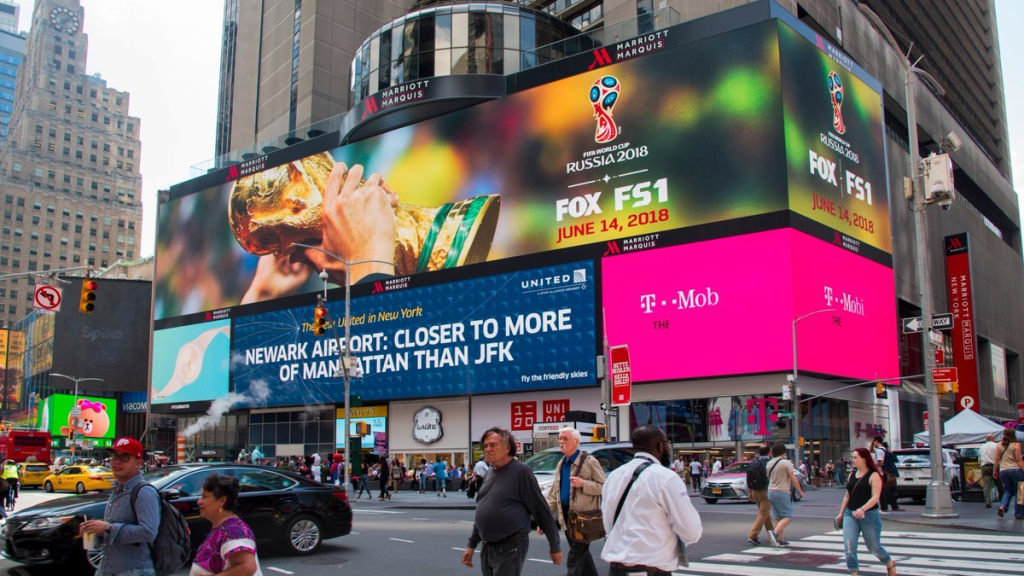
Retail brands today compete for attention across streets, screens and store aisles. Every advertising decision matters, as customers notice only a few messages. To capture attention and influence buying decisions, retail teams use smart, targeted ads from digital displays and posters to in-store placements that guide shoppers naturally from discovery to purchase.
- In‑store signage and ads influence up to 60% of buying decisions
- Digital displays, posters and entrance ads guide shoppers
- Local advertising drives around 50% of retail sales
By choosing ads that are noticed, remembered and acted upon, retailers turn casual footfall into real sales. Thoughtful placement, consistent visibility and alignment with how customers explore products help brands maximize ROI, even with limited budgets.
The eight most effective advertising formats for retail brands that help build awareness, guide purchase decisions and strengthen brand presence.
8 Best Advertising Formats for Retail Brands
Advertising formats refer to the physical or digital form in which a brand message is delivered to customers. For retail brands, formats show how shoppers experience the message, walking past a store, browsing a mall or standing inside the store.
Formats are different from platforms. A store window, a bus shelter panel or a mobile notification are all different advertising formats.
Retail advertising formats work when they match customer behaviour and shopping moments. Below are the eight advertising formats retail brands commonly use
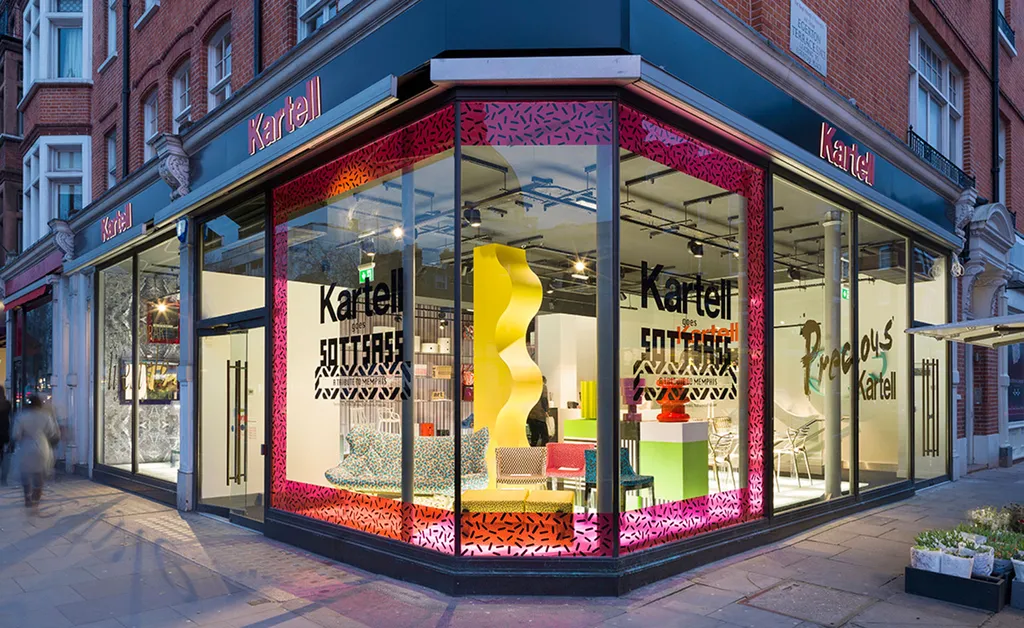
1. Retail Storefront & Window Displays
Storefront and window displays are the first advertising format a customer encounters. They communicate brand identity, pricing cues and relevance within seconds.
Retail brands today compete for attention across streets, screens and store aisles. Every ad counts because about 70% of purchasing decisions happen in-store and 62% of shoppers make impulse buys influenced by in-store promotions. Smart, targeted ads like digital displays, posters and in-aisle placements which help guide shoppers naturally from discovery to purchase.
These ad formats work because they reach customers at the moment of decision, making them highly relevant and effective. Nearly 69% of shoppers recall seeing in-store ads and most go on to browse or buy the featured product, turning visibility into measurable sales impact.
2. In Mall Common Area Advertising
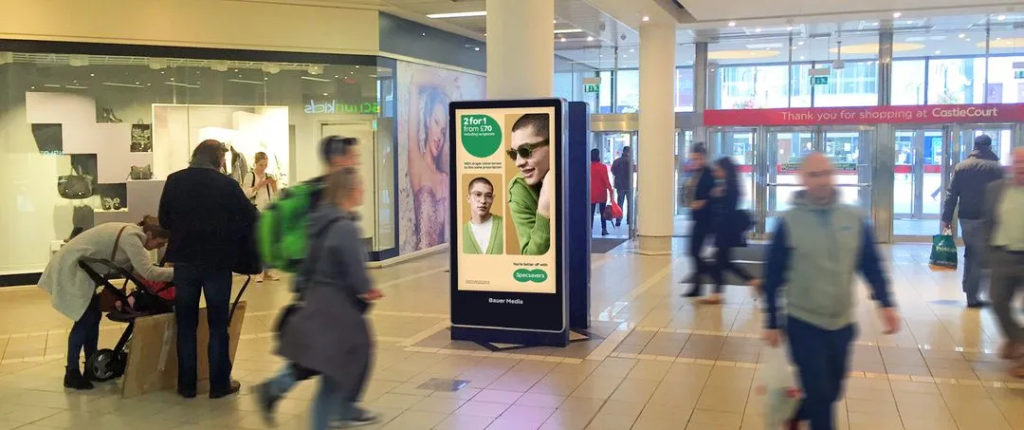
In-mall common areas such as escalators, lifts, corridors and food courts draw shoppers who are already in a buying mindset. These high-traffic zones offer brands a chance to connect with audiences where they are relaxed and attentive, boosting engagement.
This advertising format works exceptionally well because shoppers are not rushing, increasing message absorption and recall. Studies show that over 65% of mall visitors notice in-mall ads and more than 50% of them recall the brand or promotion, making these spaces highly effective for retail campaigns.
Retail brands use this format to extend their presence to their own store and reinforce familiarity before purchase decisions.
3. Transit Based Outdoor Advertising Formats
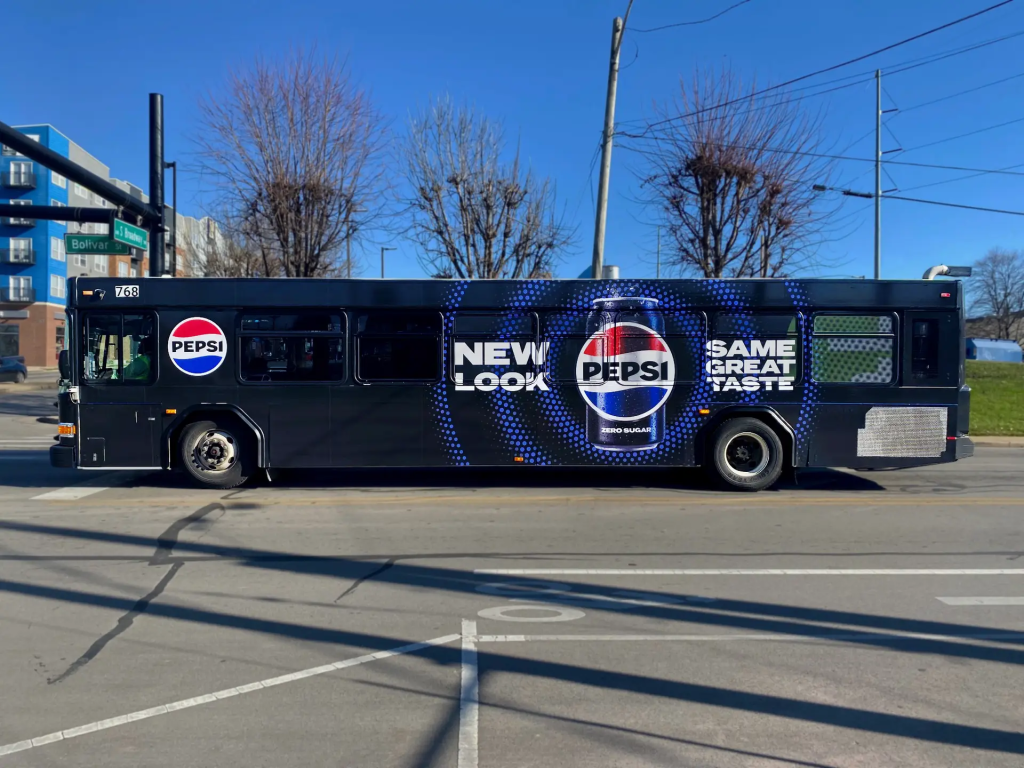
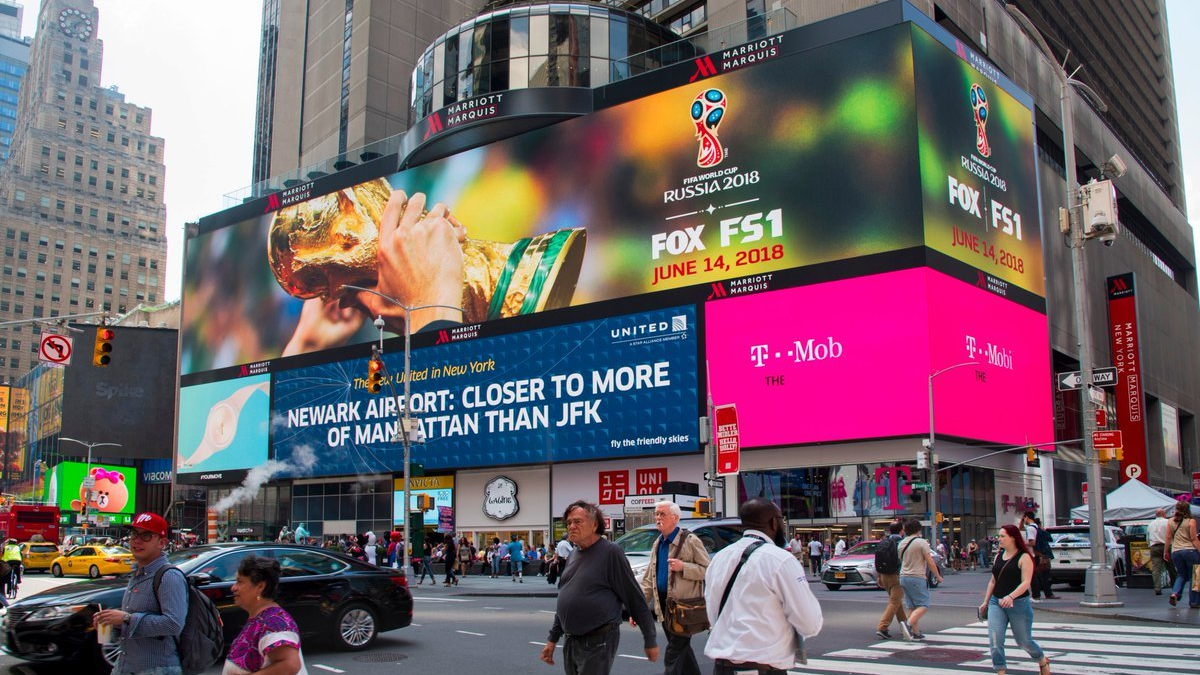
Transit advertising formats such as bus shelters, metro stations and pedestrian-heavy zones, connects retail brands with audiences during their daily routines. These high-footfall areas ensure brands are seen repeatedly by commuters and passersby.
Repeated exposure in transit spaces builds brand familiarity and recall improves with frequency. Studies show that out-of-home ads can increase brand recall by up to 70% and campaigns in high-traffic transit areas see 2–3x higher engagement compared to static placements.
This format is useful for store awareness, new location announcements and city wide retail campaigns.
4. In Store Point of Sale Advertising
Point of sale (POS) advertising formats influence customers inside the store, where decisions are finalized.
Shelf talkers, standees, aisle branding and counter displays direct shopper attention toward specific products or promotions, helping reduce decision fatigue and make choices easier. These point-of-sale (POS) formats act as gentle guides, nudging customers toward desired items without aggressive selling.
Retail brands rely on POS advertising to boost conversion rates and increase average order value. Studies show that well-placed in-store displays can lift sales by 10–30% and customers are 60% more likely to notice products highlighted with shelf or counter signage.
5. Hyperlocal Mobile Advertising Formats
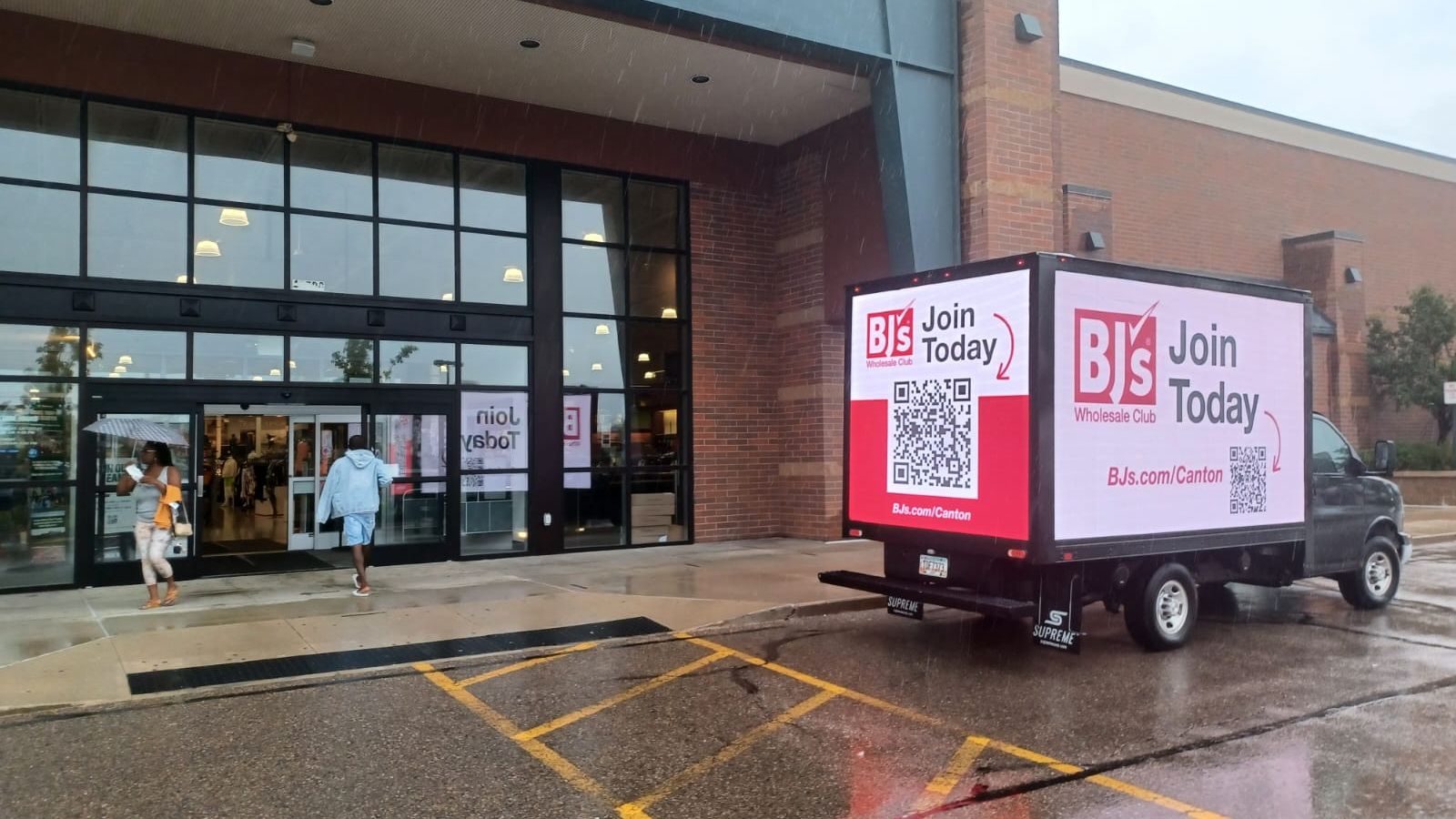
Hyperlocal mobile ads deliver targeted messages to people’s phones when they are near a shop, bridging the gap between digital and physical presence. This timely approach ensures the brand reaches shoppers exactly when it matters most.
Seeing a shop sign in person while receiving a relevant mobile message reinforces memory and boosts recall. Studies show that location-based mobile ads can increase store visits by up to 25% and shoppers are 50% more likely to remember a brand when mobile alerts complement in-store signage.
Shops use mobile ads carefully to send helpful reminders at the right time instead of showing ads all the time.
6. Local Radio Advertising
Radio remains a strong advertising format for retail brands operating in specific cities or regions.
It connects with customers during commutes, work hours and daily routines, independent of screens, while short, repeated messages reinforce store names and promotions. Studies show that out-of-home ads seen multiple times can increase brand recall by up to 70%, making repeated exposure highly effective..
This format performs for promotions, festive sales, and limited time campaigns.

7. Community and Event Based Advertising Formats
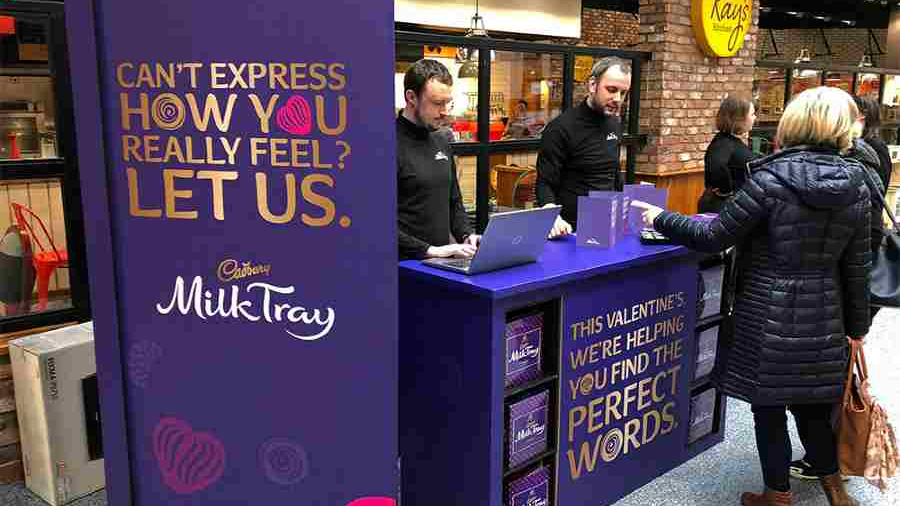
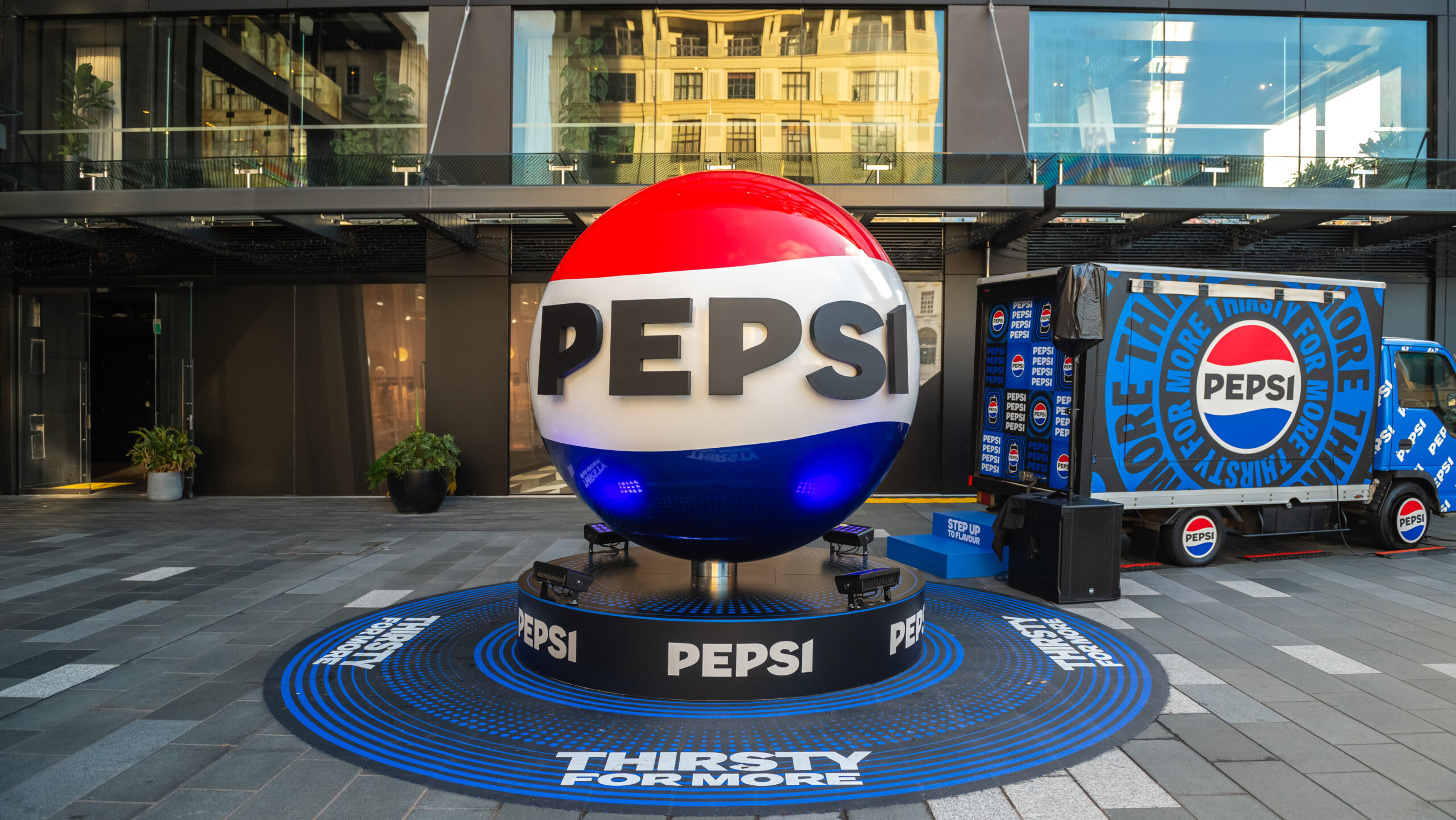
Community events, exhibitions and local markets provide advertising formats in real world interaction.
Brand stalls, banners, sampling zones and sponsorships let customers experience the brand firsthand, creating stronger emotional connections and building trust more quickly.
Retail brands use these formats to strengthen local presence and boost familiarity within neighborhoods. Studies show that in-person brand activations can increase purchase intent by up to 30% and over 65% of participants recall the brand weeks after interacting with it.
8. Digital Screens in Physical Environments
Digital screens in malls, offices, gyms and retail complexes combine the flexibility of digital content with physical visibility, reaching audiences in high-traffic and relevant locations.
This format allows easy content rotation without reprinting costs, letting retail brands highlight offers, product categories or store launches efficiently. Studies show that digital signage can increase purchase intent by 33% and that over 60% of shoppers recall content from in-store digital screens, making them highly effective for brand visibility.
It works in high dwell time environments where customers have time to notice and process messages.
Why Numbered Advertising Formats Matter for Retail Brands
Retail customer journeys are rarely linear. A shopper might first see a transit ad, then notice a mall display and ultimately make a purchase inside the store.
Using numbered advertising formats helps retail teams plan structured campaigns with each format serving a specific purpose like awareness, reinforcement or conversion.
The impact comes from coordination across formats.
Choosing the right advertising formats is a strategic decision. For retail brands, effective formats align with customer movement, attention and key purchase moments. Studies show that consumers exposed to multiple ad formats are 70% more likely to convert than those seeing a single touchpoint.
The best results come when formats work together: offline placements build memory, digital formats reinforce intent and in-store displays drive action. Coordinated campaigns can increase brand recall by over 65% and drive measurable sales impact.
To select the right advertising formats for your retail brand, start to understand where your customers spend time and how they make decisions. Using a balanced mix of formats helps you build visibility, trust and sustainable growth in the retail space.
Why Choose Ginger Media Group for Affordable Marketing
Ginger Media helps startups run affordable marketing campaigns with clarity, transparency and measurable impact. With deep expertise in outdoor, transit, print and on-ground activations, the team delivers cost-effective solutions that generate real visibility without unnecessary spending.
From planning and execution to monitoring and reporting, Ginger Media ensures startups get maximum value from every offline campaign. By combining strategic media selection with strong on-ground execution, the agency enables brands to scale offline marketing efficiently and confidently, turning small budgets into long-term brand impact.