Top 10 Transit Media Options in India That Make Your Brand Impossible to Miss
April 15, 2026
Boost Brand Visibility: Top Advertising Media for Product Launch Success
April 20, 2026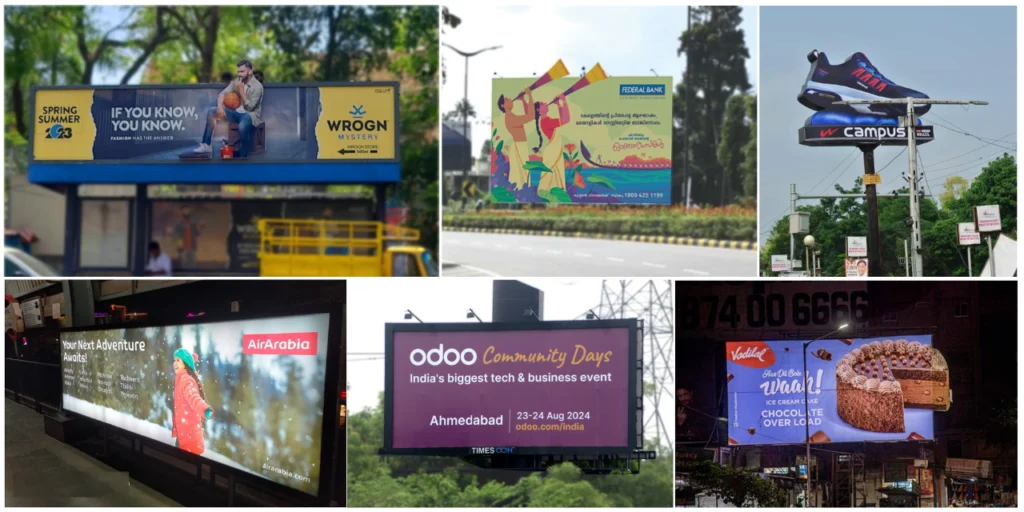
Outdoor advertising about being seen in the real world where people move, commute, and live their daily lives. From large roadside hoardings to modern digital screens, brands use outdoor media to stay visible beyond phones and personal screens.Many formats available today, DOOH advertising and static hoardings stand out as two of the most widely used options.
The formats aim to capture attention in public spaces, they work in very different ways. One relies on digital flexibility and dynamic content, and the other depends on consistency and long term presence. Understanding the difference between DOOH and static hoardings helps brands choose the right medium based on campaign goals, timelines, budget, and measurement needs.
What is DOOH Advertising
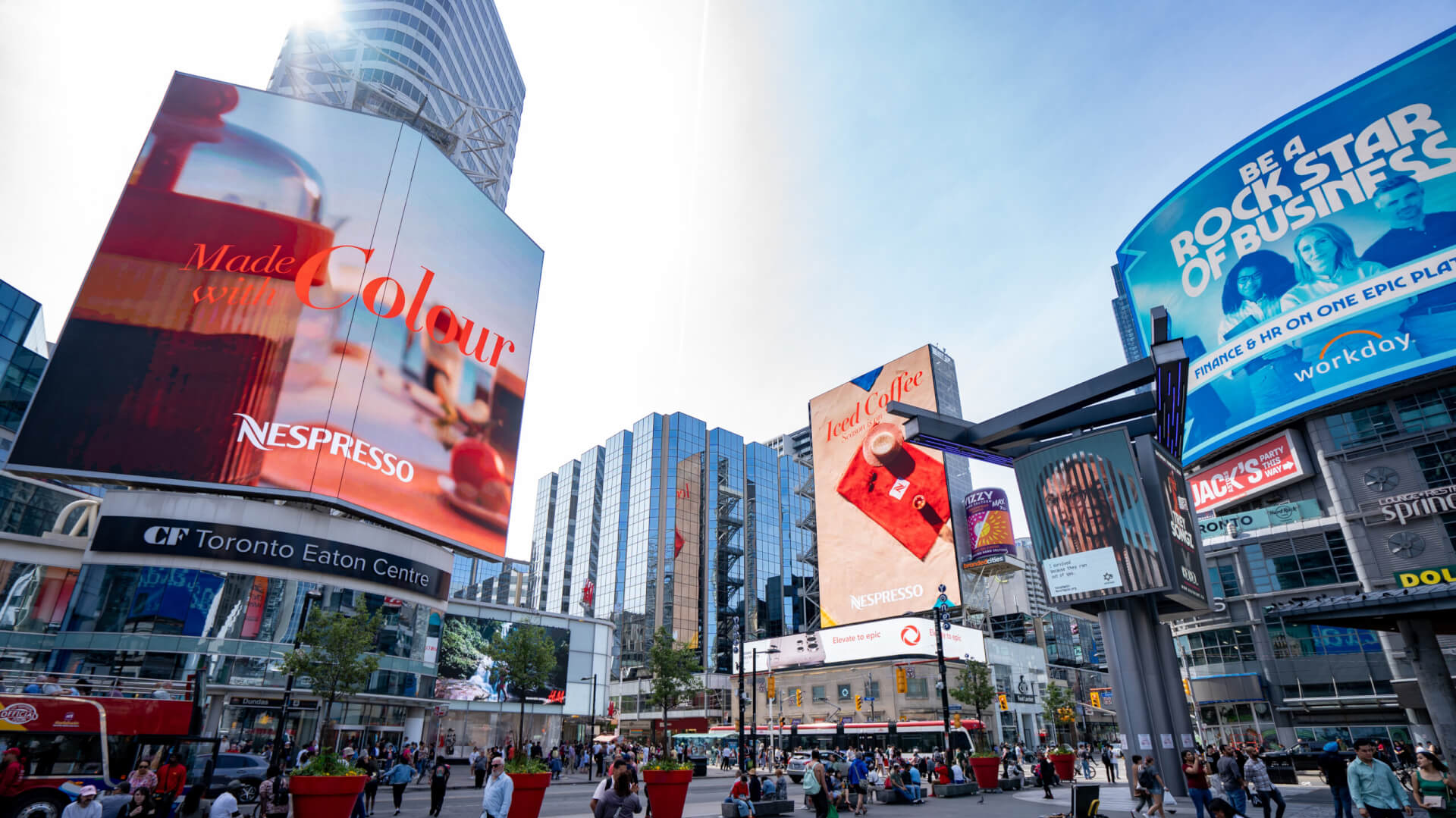
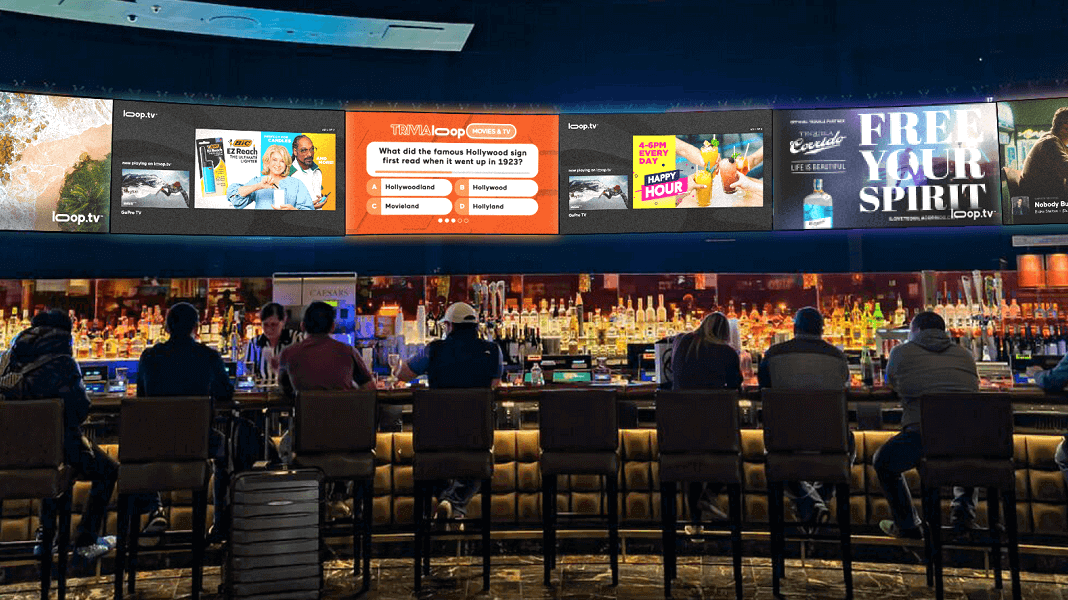
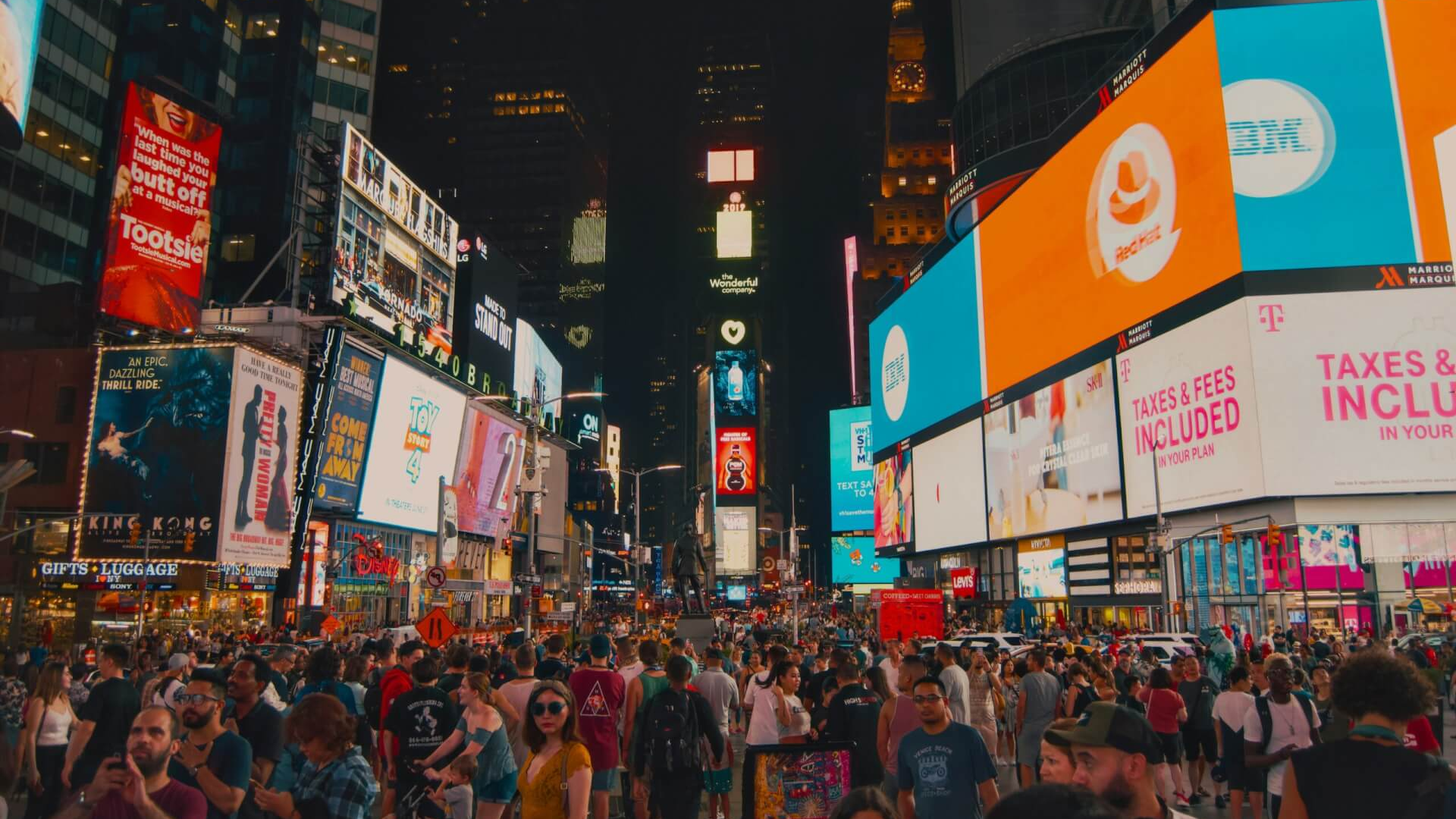
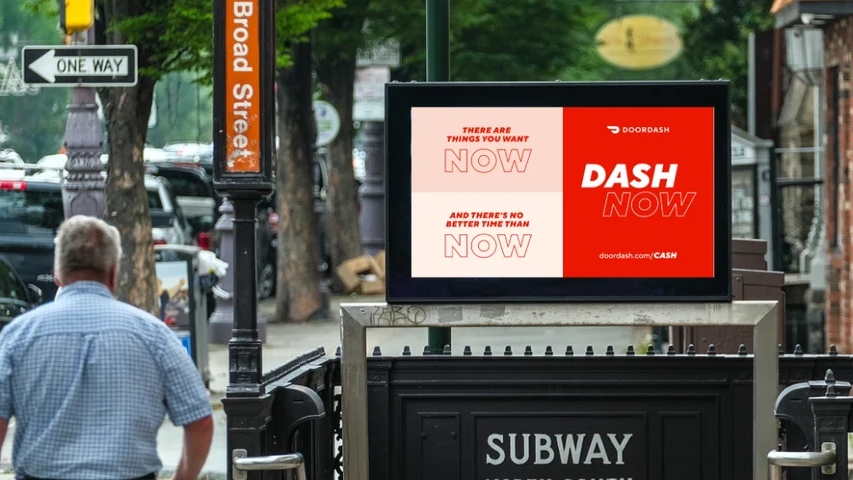
DOOH advertising refers to digital screens placed in outdoor and public locations such as roadsides, malls, metro stations, airports, corporate parks, and busy commercial zones. These screens display videos, animations, and rotating creatives that are updated instantly using a content management system.
DOOH allows brands to stay flexible and responsive. Campaigns are adjusted in real time, creatives change all day, and multiple messages are shown within a short period. This makes DOOH suitable for modern, fast moving marketing needs.
What are Static Hoardings
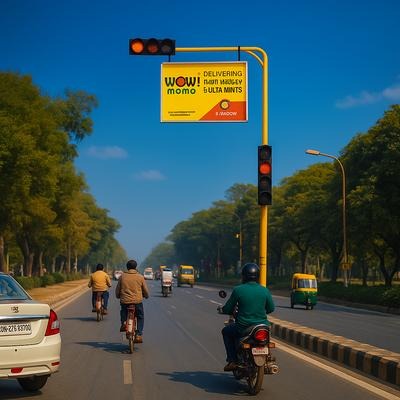
Static hoardings are traditional outdoor billboards that display printed creatives. Once the hoarding is installed, the content remains the same for the entire campaign duration unless it is manually replaced. These hoardings are commonly seen on highways, major junctions, flyovers, and high traffic roads.
Static hoardings focus on constant visibility. They remain visible day and night and help brands build familiarity through repeated exposure over time.
1. Content Format
In DOOH advertising, content appears in the form of videos, animations, and rotating visuals. Brands showcase movement, storytelling, and multiple creatives within the same screen.
In static hoardings, the content is a single fixed image or visual message. Once displayed, it stays unchanged until the campaign ends or the creative is manually replaced.
2. Flexibility and Control
DOOH offers high flexibility. Brands update creatives instantly, schedule ads based on time of day, and tailor messages according to audience presence or location.
Static hoardings offer limited flexibility. Any change requires redesigning, printing, and reinstalling the creative, which involves additional time and cost.
3. Exclusivity
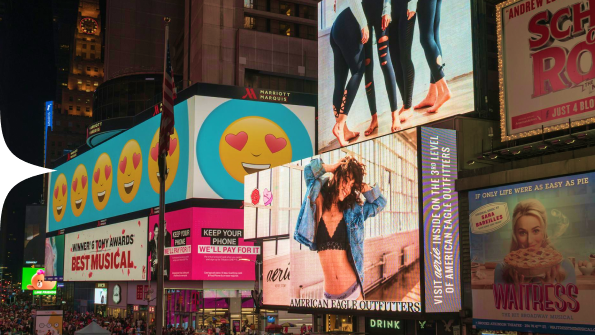
DOOH screens are shared by multiple brands. Ads run in a loop where each brand gets a fixed duration within a cycle.
Static hoardings are exclusive to a single brand during the campaign period. The brand remains visible twenty four hours a day without sharing space with competitors.
4. Lead Time
DOOH campaigns go live quickly since creatives are uploaded digitally. This makes DOOH suitable for urgent campaigns, seasonal promotions, and short notice launches.
Static hoardings require a longer lead time. Designing, printing, transportation, and installation is completed before the campaign goes live.
5. Cost Structure
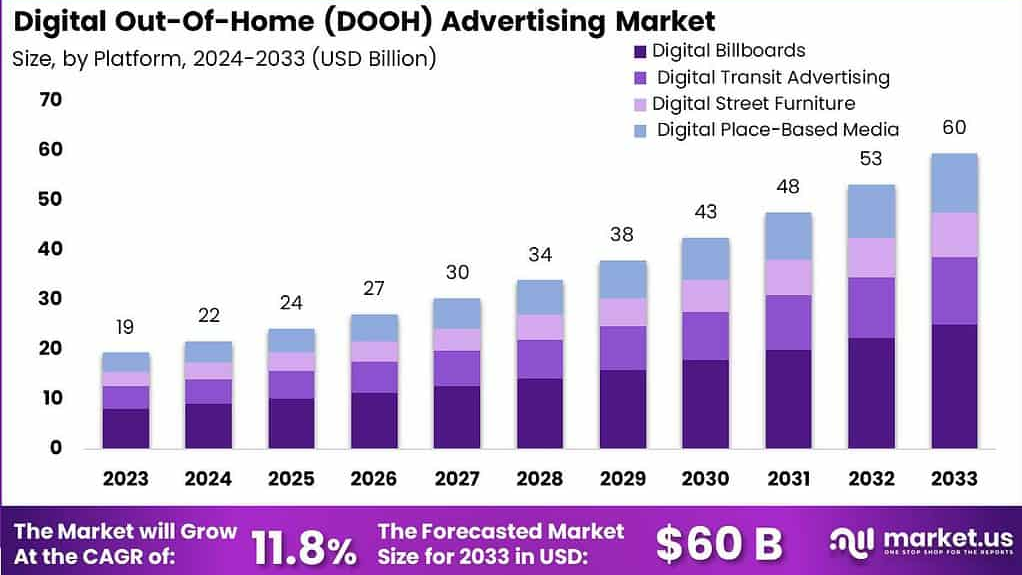
DOOH usually follows a pay per slot or pay per play model. Brands pay based on screen time, number of plays, or campaign duration.
Static hoardings generally have a fixed rental cost for a specific period, such as monthly or quarterly, along with printing and installation expenses.
6. Measurement and Tracking
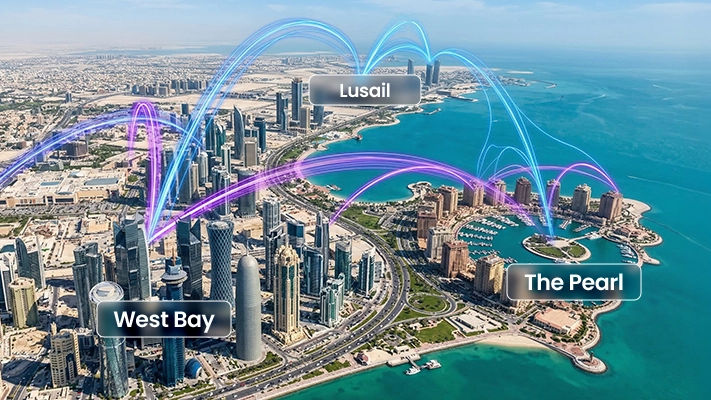
DOOH offers advanced measurement options using sensors, mobile data, and AI based tools. Brands estimate impressions and engagement more accurately.
Static hoardings rely on estimated traffic counts, historical data, and surveys for performance evaluation. Real time measurement is limited.
7. Sustainability
DOOH screens reduce paper usage, and creatives are updated digitally. This makes DOOH a more environmentally friendly option in many cases.
Static hoardings involve printed flex and physical materials, which often lead to waste after the campaign ends.
8. Maintenance
DOOH requires technical maintenance such as power supply management, software updates, and hardware servicing.
Static hoardings need physical maintenance, including cleaning, repairing damage, or replacing creatives affected by weather conditions.
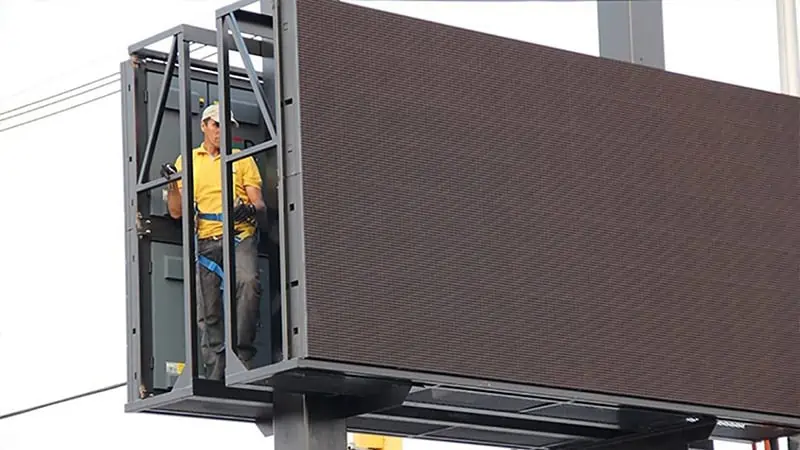
When to Choose DOOH Advertising
DOOH works best for brands that need flexibility, quick updates, and measurable results. It is ideal for short term campaigns, product launches, offers, and time sensitive messaging where adaptability is important.
When to Choose Static Hoardings
Static hoardings are suitable for long term brand visibility and strong presence in high traffic locations. They work well for brands looking for uninterrupted exposure and consistent recall over time.
Both DOOH and static hoardings play an important role in outdoor advertising. DOOH brings speed, flexibility, and data driven insights, and static hoardings offer exclusivity and long lasting visibility. The right choice depends on campaign objectives, budget, and desired impact.
By understanding the difference between DOOH and static hoardings, brands plan outdoor campaigns more effectively and achieve stronger visibility in the spaces that matter most.
Why Choose Ginger Media Group for Affordable Offline Marketing
Ginger Media helps startups execute affordable offline marketing campaigns with clarity, transparency, and measurable impact. With strong expertise across outdoor, transit, print, and on ground activations, Ginger Media focuses on cost effective solutions that deliver real visibility without unnecessary spending. From planning and execution to monitoring and reporting, the team ensures startups get the best value from every offline campaign. By combining strategic media selection with on ground execution strength, Ginger Media enables brands to scale offline marketing efficiently and confidently.